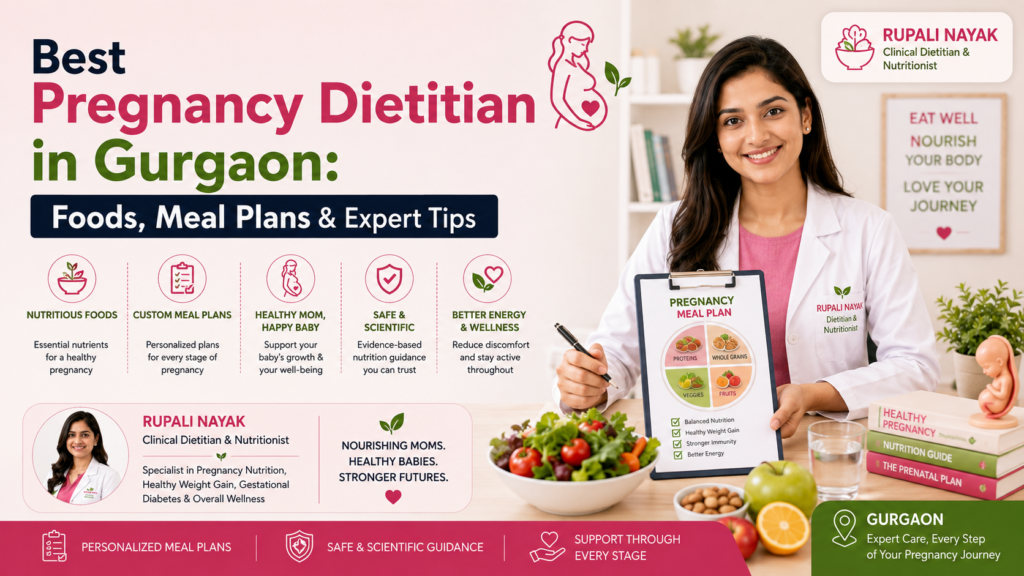
Pregnancy is a special phase when nutritional needs change significantly to support the mother’s health and the baby’s growth and development. A balanced diet can provide essential nutrients such as protein, iron, folate, calcium, vitamin D, and healthy fats. However, knowing what to eat, how much to eat, and which foods to avoid can sometimes feel confusing. Consulting the Best Pregnancy Dietitian in Gurgaon can help expectant mothers follow a practical, balanced, and personalized nutrition plan throughout pregnancy.
Pregnancy Nutrition Essentials
Pregnancy nutrition is about providing the body with adequate energy and essential nutrients while maintaining healthy eating habits. A pregnant woman’s nutritional requirements can change as pregnancy progresses, so a one-size-fits-all diet may not be appropriate.
A healthy pregnancy diet generally includes a variety of vegetables, fruits, whole grains, protein-rich foods, dairy or suitable alternatives, and healthy fats. Adequate hydration is also important. Meal portions and nutritional requirements can vary depending on factors such as pre-pregnancy weight, activity level, trimester, dietary preferences, and individual health needs.
A Pregnancy Dietitian in Gurgaon can help create a personalized nutrition strategy based on these factors. Professional guidance can also be useful for managing common pregnancy-related concerns such as nausea, constipation, food cravings, poor appetite, or difficulty maintaining balanced meals.
The goal is not to “eat for two” but to eat a nutrient-rich and balanced diet that supports both maternal wellbeing and fetal development. Any specific medical or pregnancy complication should be discussed with the appropriate healthcare professional.
Best Foods for Mom & Baby
1. Protein-Rich Foods
Protein is an important nutrient during pregnancy because it supports the growth and development of the baby and helps maintain maternal tissues. Good sources can include eggs, dairy products, paneer, tofu, lentils, beans, fish, poultry, and other suitable protein-rich foods. Including protein across meals can also make food more satisfying and help expectant mothers maintain a balanced daily eating pattern.
2. Green Leafy Vegetables
Green leafy vegetables can be valuable additions to a pregnancy diet because they provide nutrients such as folate, fibre, vitamin K, and other vitamins and minerals. Spinach, broccoli, fenugreek leaves, and other well-washed leafy vegetables can be incorporated into meals. Including a variety of vegetables rather than relying on one particular food can improve overall dietary quality during pregnancy.
3. Fresh Fruits
Fruits can provide fibre, vitamins, minerals, and naturally occurring antioxidants. Apples, oranges, guava, bananas, berries, pears, and other seasonal fruits can be included as part of a balanced pregnancy diet. Whole fruits are generally more useful than sugary fruit drinks because they provide fibre as well. Fruits should be washed properly, and individual dietary requirements should guide portion sizes.
4. Whole Grains
Whole grains can provide carbohydrates, fibre, vitamins, and minerals that contribute to a balanced pregnancy diet. Depending on individual preferences, foods such as oats, whole wheat, brown rice, quinoa, barley, and suitable millets can be included. Combining whole grains with vegetables and protein can create satisfying meals. Portion requirements may differ depending on activity levels and individual nutritional needs.
5. Dairy & Suitable Alternatives
Milk, curd, paneer, and other suitable dairy products can provide nutrients including calcium and protein. For people who do not consume dairy, fortified alternatives may be considered depending on nutritional requirements. Calcium is important during pregnancy because it supports the development of the baby’s bones and teeth while also contributing to maternal bone health. Food choices should always consider individual tolerance and dietary preferences.
6. Nuts and Seeds
Nuts and seeds can provide healthy fats, protein, fibre, and various micronutrients. Almonds, walnuts, chia seeds, flaxseeds, pumpkin seeds, and other suitable choices can be incorporated into meals or snacks in appropriate portions. Because nuts and seeds are energy-dense, portion awareness remains important. Individuals with allergies should avoid relevant foods and discuss suitable alternatives with their healthcare or nutrition professional.
Key Nutrients for Pregnancy
1. Folate and Folic Acid
Folate is important during pregnancy because it supports normal cell division and fetal development. Foods such as leafy green vegetables, legumes, citrus fruits, and fortified foods can contribute dietary folate. Healthcare professionals commonly recommend folic acid supplementation during pregnancy planning and early pregnancy based on individual requirements. Supplementation should be taken according to professional medical advice rather than self-prescribing.
2. Iron
Iron is essential for producing haemoglobin, which carries oxygen throughout the body. Pregnancy increases the body’s demand for iron, making adequate intake particularly important. Foods such as lentils, beans, leafy greens, eggs, meat, and fortified foods can contribute iron to the diet. Since iron deficiency can occur during pregnancy, healthcare providers may recommend blood tests and supplements when appropriate.
3. Calcium
Calcium supports the development of the baby’s bones and teeth and contributes to maternal bone health. Dairy products, fortified alternatives, tofu, certain leafy greens, and other calcium-containing foods can be included in meals. The required amount can vary depending on age and individual circumstances. If dietary intake is inadequate, supplementation may be recommended by a healthcare professional based on personal needs.
4. Vitamin D
Vitamin D plays a role in bone health, calcium absorption, and normal body functions. Dietary sources include fortified foods, eggs, and some types of fish, while sunlight exposure can contribute to vitamin D status. However, sunlight exposure and supplementation requirements vary between individuals. Pregnant women should discuss vitamin D testing or supplements with their healthcare provider when there is concern about deficiency.
5. Protein
Protein requirements increase during pregnancy to support fetal growth and maternal tissue development. Including protein throughout the day can help meet nutritional needs. Suitable sources include eggs, dairy products, legumes, beans, tofu, paneer, fish, poultry, and other protein-rich foods. The appropriate amount depends on individual factors, so a personalized pregnancy meal plan can help distribute protein effectively across daily meals.
6. Omega-3 Fatty Acids
Omega-3 fatty acids, particularly DHA, are important components of a healthy diet during pregnancy and are associated with fetal brain and eye development. Dietary sources can include certain low-mercury fish, depending on local food safety guidance, as well as some plant sources of omega-3. Supplement requirements should be discussed with a healthcare professional, particularly during pregnancy.
Foods to Avoid
1. Raw or Undercooked Animal Foods
Raw or undercooked meat, poultry, seafood, and eggs can carry harmful microorganisms and may increase the risk of foodborne illness. During pregnancy, food safety becomes especially important. Eggs, meat, and seafood should be cooked thoroughly, and proper food-handling practices should be followed. If there is uncertainty about whether a particular food is safe, consult a qualified healthcare professional.
2. Unpasteurized Foods
Unpasteurized milk and products made from unpasteurized ingredients may carry bacteria that can cause foodborne infections. Pregnant women should generally choose pasteurized dairy products and check food labels when necessary. Food safety is an important part of pregnancy nutrition, so products should be stored correctly and consumed within recommended periods to reduce the risk of contamination.
3. High-Mercury Fish
Some fish contain high levels of mercury, which can be harmful to fetal development when consumed in excessive amounts. Pregnant women should follow recognized food-safety recommendations regarding fish choices and serving amounts. Lower-mercury fish can provide beneficial nutrients, including protein and omega-3 fatty acids. For specific seafood choices, local medical or food-safety guidance should be followed.
4. Excessive Caffeine
High caffeine intake during pregnancy may be associated with pregnancy risks, so intake should generally be limited according to medical guidance. Caffeine can be present in coffee, tea, energy drinks, chocolate, and some medications. Because caffeine content varies between products, checking labels and discussing an appropriate daily limit with a healthcare provider can help pregnant women make informed choices.
5. Alcohol
Alcohol should be avoided during pregnancy because there is no established safe amount or safe time for alcohol consumption during pregnancy. Alcohol exposure can affect fetal development. Pregnant women should also discuss any concerns about accidental exposure with their healthcare provider. Choosing alcohol-free beverages can help maintain a safer pregnancy environment.
6. Poorly Washed Produce
Fruits and vegetables are important parts of a healthy pregnancy diet, but they should be washed thoroughly before consumption. Poorly cleaned produce can carry harmful microorganisms or contaminants. Raw sprouts can also present food-safety concerns. Practicing proper food washing, storage, preparation, and kitchen hygiene is an important part of maintaining a healthy pregnancy eating routine.
Simple & Healthy Meal Plan
A Pregnancy Diet Plan Gurgaon approach should be personalized because calorie and nutrient requirements can vary between individuals and across pregnancy. However, a general structure can help illustrate how balanced meals may be organized.
Breakfast: Start the day with a protein-rich and fibre-containing meal, such as vegetable oats with curd, eggs with whole-grain toast, or a suitable traditional breakfast combined with a protein source.
Mid-morning snack: Choose a whole fruit, curd, or a small portion of suitable nuts and seeds.
Lunch: Build a balanced plate with vegetables, a protein source such as dal, paneer, beans, fish, or poultry, and an appropriate portion of whole grains or other carbohydrate sources.
Evening snack: A fruit, roasted legumes, curd, or another nutritious snack can help maintain regular eating patterns.
Dinner: Keep the meal balanced with vegetables, protein, and suitable carbohydrates. Portion sizes should be based on individual needs.
Hydration: Drink adequate fluids throughout the day. Water should generally be the primary beverage, while sugary drinks can be limited.
This is only a general example. A personalized meal plan should consider trimester, dietary preferences, nutritional requirements, allergies, activity levels, and any pregnancy-related medical conditions.
Expert Pregnancy Diet Tips
1. Focus on Variety
No single food can provide every nutrient required during pregnancy. Include a variety of vegetables, fruits, protein sources, whole grains, dairy or suitable alternatives, nuts, and seeds. Eating different foods throughout the week increases dietary variety and makes meals more interesting. A colourful plate can be a simple way to encourage greater variety without making pregnancy nutrition unnecessarily complicated.
2. Eat Regularly
Long gaps between meals may make it harder for some pregnant women to manage hunger, nausea, or energy levels. Eating smaller, balanced meals at regular intervals may be more comfortable for some individuals, especially when appetite changes during pregnancy. However, meal frequency should be personalized. If morning sickness or other symptoms interfere with eating, discuss suitable strategies with your healthcare provider.
3. Stay Hydrated
Adequate hydration is an important part of pregnancy nutrition. Water supports normal body functions and helps maintain fluid balance. Pregnant women can keep a water bottle nearby and drink regularly throughout the day. Fluid requirements may vary depending on climate, activity, diet, and individual circumstances. Persistent vomiting, dehydration symptoms, or difficulty keeping fluids down should be discussed with a healthcare professional.
4. Prioritize Food Safety
Pregnancy requires extra attention to food hygiene. Wash produce properly, cook animal foods thoroughly, use pasteurized dairy products, and store perishable foods safely. Avoid foods with a higher risk of contamination and follow current food-safety guidance. Good kitchen hygiene, including clean utensils and appropriate refrigeration, can reduce the risk of foodborne illness during pregnancy.
5. Do Not “Eat for Two”
Pregnancy does not mean doubling food intake. Nutritional needs increase gradually and vary by trimester and individual circumstances. Instead of simply eating larger portions, focus on improving the nutritional quality of meals. Protein, vegetables, fruits, whole grains, healthy fats, and appropriate fluids can provide valuable nutrients. A professional can help determine suitable portions based on individual nutritional requirements.
6. Manage Cravings Wisely
Pregnancy cravings are common, but frequently consuming foods high in added sugar, salt, or unhealthy fats may reduce overall diet quality. Instead of completely denying cravings, consider balanced alternatives and appropriate portions. For example, fruit with curd or nuts can be a more nutrient-dense snack. Persistent cravings for non-food items should be discussed with a healthcare professional because they may require further evaluation.
7. Follow Supplement Advice
Pregnancy supplements should be taken according to advice from a qualified healthcare professional. Common prenatal nutrients may include folic acid, iron, iodine, vitamin D, or others depending on individual requirements and local guidelines. Taking multiple supplements without guidance can lead to unnecessary or excessive nutrient intake. A healthcare provider can determine which supplements are appropriate based on dietary intake and health needs.
8. Consider Your Trimester
Nutritional needs and common pregnancy symptoms can change during the first, second, and third trimesters. Morning sickness may affect eating during early pregnancy, while increased nutritional and energy needs may become more relevant as pregnancy progresses. A trimester-aware eating plan can help address these changing needs. Individual recommendations should be based on professional assessment rather than a generic online meal chart.
FAQs
What is the best diet during pregnancy?
The best diet during pregnancy is generally a varied and balanced eating pattern that provides adequate protein, fibre, vitamins, minerals, healthy fats, and suitable carbohydrates. Vegetables, fruits, whole grains, protein-rich foods, and pasteurized dairy or suitable alternatives can form the foundation. Individual nutritional requirements vary, so personalized guidance may be beneficial.
Why should I consult a pregnancy dietitian in Gurgaon?
A pregnancy dietitian can help you understand changing nutritional needs and create a practical diet plan based on your trimester, lifestyle, dietary preferences, and nutritional requirements. Professional guidance can also help with meal planning and common concerns such as nausea, food cravings, constipation, or difficulty maintaining a balanced diet.
How can a dietitian help during pregnancy?
A dietitian can assess your eating pattern and provide personalized nutrition guidance. This may include meal planning, food selection, portion guidance, hydration strategies, and advice on obtaining important nutrients through food. A dietitian can also coordinate nutrition recommendations with medical care when pregnancy-related health concerns require additional professional attention.
What foods should I eat during pregnancy?
Pregnancy meals can include vegetables, fruits, whole grains, legumes, eggs, pasteurized dairy products, suitable protein sources, nuts, seeds, and healthy fats. A variety of foods is generally more beneficial than focusing on a small list of “superfoods.” Food choices should also account for allergies, dietary preferences, food safety, and individual nutritional requirements.
What foods are best for pregnant women?
Nutrient-dense foods such as leafy vegetables, fruits, whole grains, legumes, eggs, pasteurized dairy products, nuts, seeds, and appropriate protein sources can be valuable during pregnancy. The ideal combination depends on individual needs. A balanced diet should provide adequate protein, fibre, vitamins, minerals, healthy fats, and energy throughout pregnancy.
What should I eat every day during pregnancy?
Daily meals should generally include a variety of vegetables and fruits, protein-rich foods, suitable whole grains or other carbohydrates, healthy fats, and appropriate dairy or alternatives. Adequate fluids are also important. Specific portion sizes and nutritional targets vary, so an individualized pregnancy meal plan may be more appropriate than following a fixed daily menu.
Which fruits are good during pregnancy?
Many whole fruits can be part of a balanced pregnancy diet, including apples, bananas, oranges, guava, pears, berries, and other seasonal options. Fruits provide fibre and various vitamins and minerals. They should be washed properly before consumption. If you have a specific medical condition affecting your diet, discuss suitable fruit choices and portions with your healthcare professional.
What foods should I avoid during pregnancy?
Pregnant women should follow food-safety guidance and generally avoid alcohol, raw or undercooked animal foods, unpasteurized products, and fish that is high in mercury. Excessive caffeine should also be avoided. Because food-safety recommendations can vary by location and individual circumstances, pregnant women should follow current guidance from their healthcare provider.
How much should I eat during pregnancy?
Pregnancy does not mean simply doubling food intake. Energy and nutrient requirements change throughout pregnancy and vary according to factors such as pre-pregnancy weight, trimester, activity level, and individual health. The focus should be on nutrient-dense foods and appropriate portions. A healthcare provider or qualified nutrition professional can provide individualized recommendations.
Which foods are good for baby development during pregnancy?
A varied diet containing adequate protein, folate, iron, calcium, vitamin D, omega-3 fatty acids, iodine, and other essential nutrients supports overall maternal nutrition and fetal development. Foods alone cannot guarantee a particular developmental outcome. Prenatal supplements may also be recommended depending on individual requirements, so supplementation should follow advice from a healthcare professional.
Conclusion
Choosing the Best Pregnancy Dietitian in Gurgaon can make pregnancy nutrition easier to understand and follow with confidence. From selecting nutrient-rich foods and creating balanced meal plans to understanding food safety and trimester-wise nutritional needs, personalized guidance can support a healthier pregnancy lifestyle. If you are looking for professional nutrition guidance tailored to your individual needs, Rupali Nayak can help create a practical pregnancy nutrition approach based on your lifestyle, dietary preferences, and nutritional goals. Nutrition should complement regular prenatal medical care for the best overall support.