Polycystic Ovary Syndrome (PCOS) is a common hormonal and metabolic condition that can affect menstrual cycles, ovulation, insulin sensitivity, weight management, skin, and overall well-being. While PCOS can present differently from one woman to another, nutrition and lifestyle habits can play an important role in supporting long-term health.
A well-planned diet can help support stable blood sugar, adequate nutrient intake, healthy weight management, and overall metabolic health. Working with a Dietitian for PCOS can also make it easier to develop practical eating habits based on individual needs rather than following restrictive or generic diet trends.
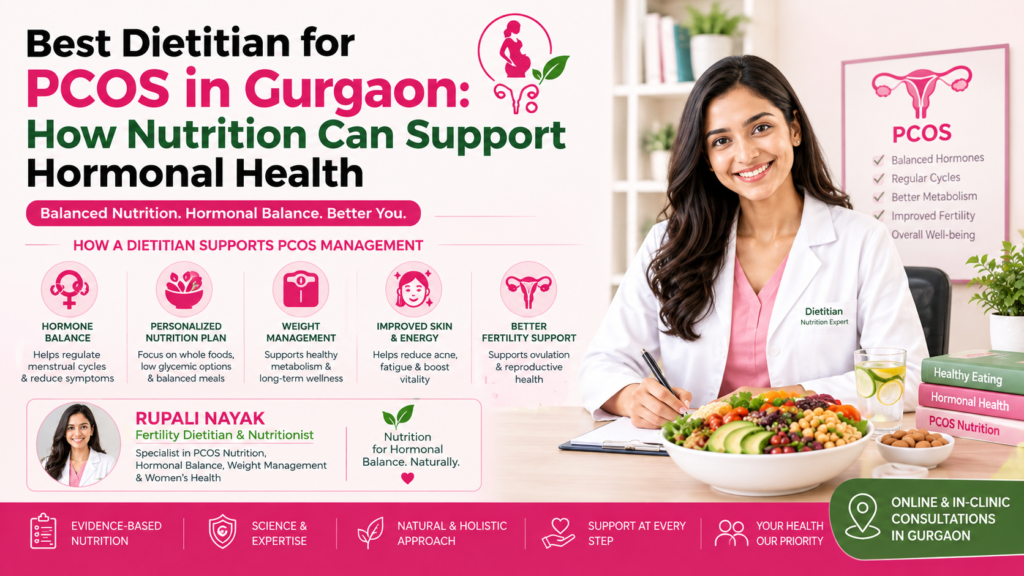
For women searching for the Best Dietitian for PCOS in Gurgaon, understanding how nutrition can support hormonal and metabolic health is an important first step.
What Is PCOS and How Does Nutrition Help?
PCOS is a complex condition involving hormonal and metabolic changes. Some women may experience irregular periods, acne, increased facial or body hair, difficulty with ovulation, or challenges with weight management. Others may have fewer noticeable symptoms. PCOS is diagnosed using medical criteria, and symptoms can vary significantly between individuals.
Nutrition does not cure PCOS, but it can be an important part of managing associated metabolic and lifestyle factors. A balanced eating pattern can help support blood glucose regulation, cardiovascular health, adequate nutrition, and sustainable weight management when weight loss is appropriate for the individual.
Supporting Blood Sugar Management
Many women with PCOS have insulin resistance or an increased risk of metabolic problems. Choosing meals that combine high-fibre carbohydrates with protein, vegetables, and healthy fats can help create a more balanced eating pattern. Regular meal timing and reducing excessive intake of highly refined foods may also support healthier blood glucose patterns.
Supporting Healthy Weight Management
Weight is not a measure of PCOS severity, and not every woman with PCOS needs to lose weight. However, for women who have excess weight and want to reduce it, a sustainable calorie-controlled diet combined with physical activity may improve several metabolic and reproductive health markers.
Supporting Overall Hormonal Health
Nutrition provides the body with essential nutrients required for normal physiological functions. Adequate protein, fibre, vitamins, minerals, and healthy fats can support overall health while lifestyle factors such as sleep, exercise, and stress management complement dietary strategies.
Best Diet for PCOS: Foods to Include
There is no single universally prescribed best diet for PCOS. A suitable nutrition plan should consider symptoms, dietary preferences, cultural foods, activity levels, medical history, metabolic health, and personal goals. Instead of eliminating large food groups unnecessarily, the focus should generally be on nutrient-dense, balanced meals.
1. High-Fibre Vegetables
Vegetables provide fibre, vitamins, minerals, and various beneficial plant compounds. Leafy greens, broccoli, cauliflower, carrots, beans, capsicum, cucumber, tomatoes, and other colourful vegetables can be included regularly. Adding vegetables to lunch and dinner can increase meal volume and fibre while helping create a nutrient-rich healthy diet for women with PCOS.
2. Protein-Rich Foods
Protein can support muscle maintenance, satiety, and balanced meals. Depending on dietary preferences, useful options may include eggs, fish, chicken, paneer, tofu, curd, Greek yogurt, dal, beans, and other legumes. Including a protein source in major meals can make a personalized diet for PCOS more satisfying and nutritionally balanced.
3. Whole Grains and High-Fibre Carbohydrates
Carbohydrates do not automatically need to be eliminated from a PCOS diet. Whole grains and minimally processed carbohydrate sources such as oats, whole-wheat roti, brown rice, quinoa, barley, and millets can provide fibre and nutrients. Portion size and the overall meal combination are important when developing a PCOS diet for hormonal balance.
4. Fruits in Appropriate Portions
Fruit provides fibre, vitamins, minerals, and naturally occurring carbohydrates. Apples, berries, oranges, guava, pears, kiwi, papaya, and other fruits can be part of a balanced diet. Whole fruit is generally preferable to fruit juice because it retains fibre. Pairing fruit with protein or healthy fats can also create a more filling snack.
5. Healthy Fats
Healthy fats can be included as part of a balanced eating pattern. Nuts, seeds, avocados, olive oil, and other unsaturated-fat sources can provide essential fatty acids and other nutrients. Portion awareness remains important because fats are energy-dense. A balanced nutrition plan for PCOS should focus on overall dietary quality rather than completely avoiding dietary fat.
6. Fermented and Dairy Foods When Suitable
Curd, yogurt, and other suitable dairy or fermented foods can provide protein and nutrients. However, tolerance differs between individuals. Women who do not consume dairy can choose appropriate alternatives such as fortified plant-based products. The goal is to maintain adequate nutrition while adapting the diet to personal preferences and tolerance.
Foods to Avoid for PCOS Management
PCOS does not mean that specific foods are universally forbidden. Instead, limiting foods that are high in added sugar, heavily refined, or highly processed can help improve overall dietary quality. Individual tolerance and health goals should always be considered before making major dietary restrictions.
1. Sugary Beverages
Soft drinks, sweetened juices, energy drinks, and other sugary beverages can add substantial amounts of added sugar without providing much satiety. Regular consumption may make calorie and blood glucose management more difficult. Choosing water, unsweetened beverages, or other lower-sugar options can be a practical improvement for many women following a PCOS diet plan for weight loss.
2. Highly Refined Carbohydrates
Foods made primarily from refined flour or heavily processed grains can be lower in fibre than whole-grain alternatives. Items such as refined bakery products, certain packaged snacks, and highly processed breakfast foods can be limited. This does not mean carbohydrates must be removed; instead, higher-fibre carbohydrate choices can be incorporated more frequently.
3. Excessive Added Sugar
Frequent consumption of sweets, desserts, sweetened cereals, and other foods high in added sugar can make it harder to maintain a balanced diet. Occasional treats can still fit into an overall healthy eating pattern. The emphasis should be on dietary consistency rather than creating an unnecessarily restrictive plan.
4. Highly Processed Foods
Packaged foods that are high in sodium, added sugar, unhealthy fats, or calories may be less beneficial when consumed frequently. Chips, packaged desserts, fast foods, and heavily processed snacks can be limited while whole or minimally processed foods are prioritized. The exact approach should depend on individual lifestyle and nutritional requirements.
5. Crash Diets and Extreme Restrictions
Very-low-calorie diets, prolonged fasting without appropriate guidance, or eliminating entire food groups unnecessarily may make a diet difficult to sustain and can increase the risk of nutritional inadequacy. A sustainable personalized PCOS diet plan should provide adequate energy and nutrients while supporting realistic long-term habits.
How a Dietitian Can Help With PCOS
Choosing a PCOS Dietitian in Gurgaon can be useful for women who want personalized nutrition guidance rather than relying on generic online diet charts. PCOS is highly individual, so the same diet may not be suitable for everyone.
A qualified nutrition professional can assess eating habits, lifestyle, food preferences, activity levels, and relevant health information before developing an appropriate nutrition strategy. Depending on the individual’s goals, the plan may focus on improving overall diet quality, supporting weight management, increasing fibre and protein intake, or creating practical meal structures.
For someone searching for the Best PCOS Dietitian in Gurgaon, it can be useful to look for an approach that emphasizes sustainable habits rather than unrealistic promises.
A personalized approach may include:
- Reviewing current eating patterns and meal timings.
- Identifying nutritional gaps and practical dietary improvements.
- Creating balanced meals with appropriate protein, fibre, carbohydrates, and fats.
- Adjusting food choices according to vegetarian or non-vegetarian preferences.
- Developing strategies for eating at work, restaurants, or during travel.
- Supporting sustainable weight management when clinically appropriate.
- Monitoring progress and making dietary adjustments over time.
Women looking for a PCOS Dietitian Gurgaon, PCOS Nutritionist in Gurgaon, or PCOS Nutritionist Gurgaon may also consider whether online consultation is more convenient. An Online PCOS Dietitian Gurgaon service can provide dietary guidance without requiring frequent clinic visits, while an Online PCOS Diet Consultation Gurgaon may be particularly convenient for women with busy schedules.
Nutrition guidance should complement, rather than replace, appropriate medical evaluation and treatment.
PCOS Diet for Weight and Hormonal Balance
Weight management is often discussed in PCOS, but it is important to recognize that PCOS affects women across different body sizes. A woman’s health should not be judged solely by her weight. When weight reduction is an appropriate personal or clinical goal, gradual and sustainable changes are generally more practical than aggressive dieting.
1. Build Balanced Meals
A balanced meal can include a source of protein, vegetables or other high-fibre foods, a suitable carbohydrate source, and a moderate amount of healthy fat. This structure can improve satiety and make meals more nutritionally complete. It can also make a PCOS diet plan for weight loss easier to follow consistently.
2. Focus on Fibre
Fibre-rich foods can support digestive health and help increase fullness after meals. Vegetables, fruits, legumes, whole grains, nuts, and seeds are useful sources. Gradually increasing fibre while maintaining adequate fluid intake can help make a PCOS diet for hormonal balance more nutrient-dense.
3. Prioritize Protein
Adequate protein intake can support muscle health and satiety. Including protein at breakfast, lunch, dinner, and appropriate snacks can help create a more balanced eating pattern. Protein requirements vary, so an individualized plan should consider factors such as body size, activity level, dietary preferences, and overall health.
4. Choose Nutrient-Dense Snacks
Instead of relying frequently on sweets or highly processed snacks, options such as fruit with nuts, unsweetened yogurt, roasted legumes, boiled eggs, or other suitable protein- and fibre-rich foods may provide better nutritional value. Snack choices should be based on hunger, daily energy requirements, and individual routine.
5. Maintain Regular Physical Activity
Nutrition works alongside lifestyle habits. Regular physical activity can support cardiovascular fitness, muscle strength, insulin sensitivity, and overall well-being. Depending on individual ability and medical advice, activities may include walking, resistance training, cycling, swimming, or other enjoyable forms of exercise.
6. Give Sleep and Stress Management Attention
Sleep and stress can influence appetite, energy, daily routines, and overall well-being. Establishing a consistent sleep schedule, practicing relaxation techniques, and maintaining manageable daily routines can complement dietary changes. PCOS management is therefore better approached as a broader lifestyle strategy rather than focusing only on individual foods.
7. Avoid One-Size-Fits-All Diet Plans
Online PCOS advice can sometimes promote strict food rules or claim that one particular diet works for every woman. Individual needs are different. A sustainable personalized PCOS diet plan should account for food preferences, health conditions, medications, lifestyle, cultural eating habits, and personal goals.
Personalized PCOS Diet Plan in Gurgaon
A PCOS Diet Plan Gurgaon should ideally be personalized rather than copied from a generic chart. Two women with PCOS can have very different symptoms, dietary habits, activity levels, and health goals. Therefore, nutrition recommendations should be based on individual circumstances.
A personalized plan may start with an assessment of regular meals, snacks, hydration, physical activity, sleep, and lifestyle patterns. The next step may involve making practical changes such as improving breakfast quality, increasing vegetable and protein intake, choosing higher-fibre carbohydrates, and reducing frequent consumption of sugary or highly processed foods.
For women who prefer professional support close to home, searching for a Best Dietitian in Gurgaon for PCOS, PCOS Dietitian in Gurugram, or Best PCOS Dietitian in Gurugram can help identify nutrition services that match their needs.
Those with busy schedules may consider an Online PCOS Dietitian Gurgaon option. Online support can make regular follow-ups more convenient and may allow adjustments based on progress and changing routines.
A personalized plan should also be flexible. Instead of requiring a woman to follow an identical menu every day, it can provide meal combinations and practical alternatives. This makes it easier to maintain healthy eating habits at home, work, social events, and while travelling.
FAQs About PCOS Diet and Nutrition
What is the best diet for PCOS?
There is no single diet that is best for every woman with PCOS. A balanced eating pattern emphasizing vegetables, fibre-rich carbohydrates, adequate protein, healthy fats, and minimally processed foods can support overall health. Individual dietary needs should be considered when creating a nutrition plan for PCOS.
Can diet help manage PCOS?
Yes, nutrition can be an important part of PCOS management. A balanced diet may support healthy blood glucose regulation, weight management when appropriate, cardiovascular health, and overall nutritional adequacy. Diet is one component of PCOS care and should be combined with appropriate medical guidance and lifestyle habits.
What should I eat if I have PCOS?
A PCOS-friendly eating pattern can include vegetables, fruits, whole grains, legumes, eggs, fish, lean meats, paneer, yogurt, tofu, nuts, and seeds according to personal dietary preferences. Combining protein and fibre-rich foods with appropriate portions of carbohydrates can create balanced and satisfying meals.
What foods should be avoided in PCOS?
There is no universal list of foods that every woman with PCOS must completely avoid. However, it can be helpful to limit frequent consumption of sugary beverages, foods high in added sugar, highly refined carbohydrates, and heavily processed foods. Dietary choices should be personalized according to individual needs.
Can a dietitian help with PCOS?
A dietitian can provide individualized nutrition guidance and help create practical eating strategies based on lifestyle, dietary preferences, health goals, and nutritional requirements. A Dietitian for PCOS can also help modify the plan over time instead of relying on a fixed generic diet chart.
How does nutrition affect PCOS?
Nutrition can influence factors relevant to PCOS, including energy balance, blood glucose regulation, fibre intake, nutrient adequacy, and weight management. A balanced diet can support metabolic and overall health. However, nutrition should be considered as part of comprehensive PCOS care rather than a standalone treatment.
Conclusion
PCOS management is highly individual, and nutrition can play an important role in supporting metabolic health, healthy eating habits, weight management when appropriate, and overall well-being. Rather than following restrictive food rules or generic internet diet plans, women can benefit from a sustainable approach based on their personal needs, preferences, lifestyle, and health goals.
For women looking for the Best Dietitian for PCOS in Gurgaon, personalized professional guidance can make it easier to understand food choices, create realistic meal patterns, and maintain healthier habits over time. Rupali Nayak provides personalized nutrition guidance for women seeking support with PCOS and related dietary goals, helping them follow a practical and sustainable approach to nutrition.