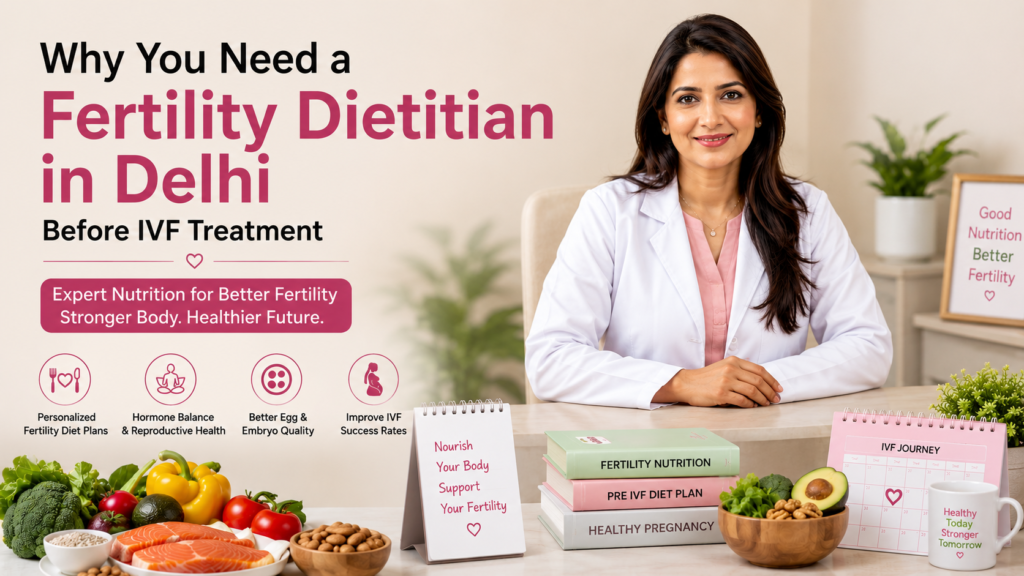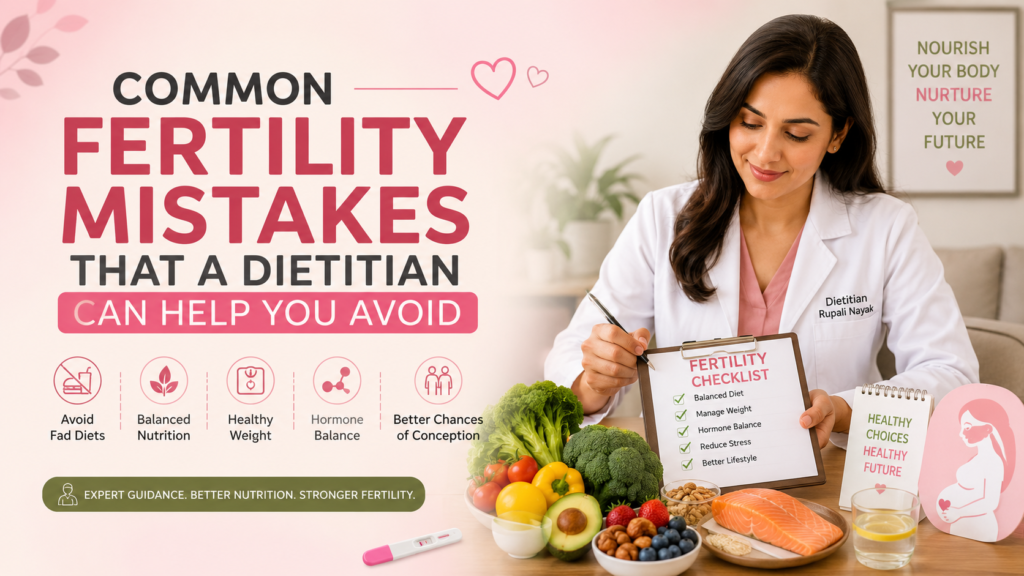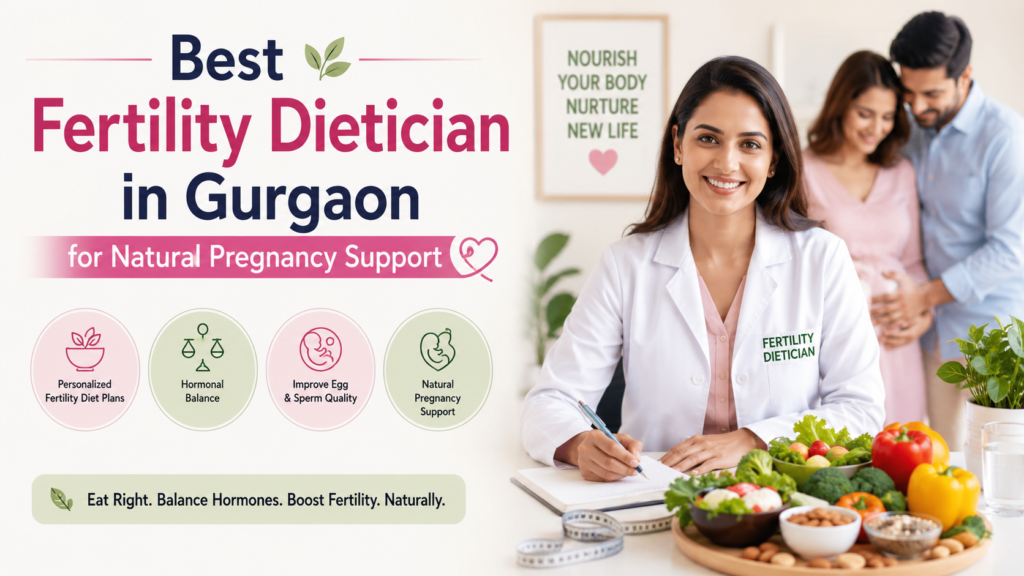
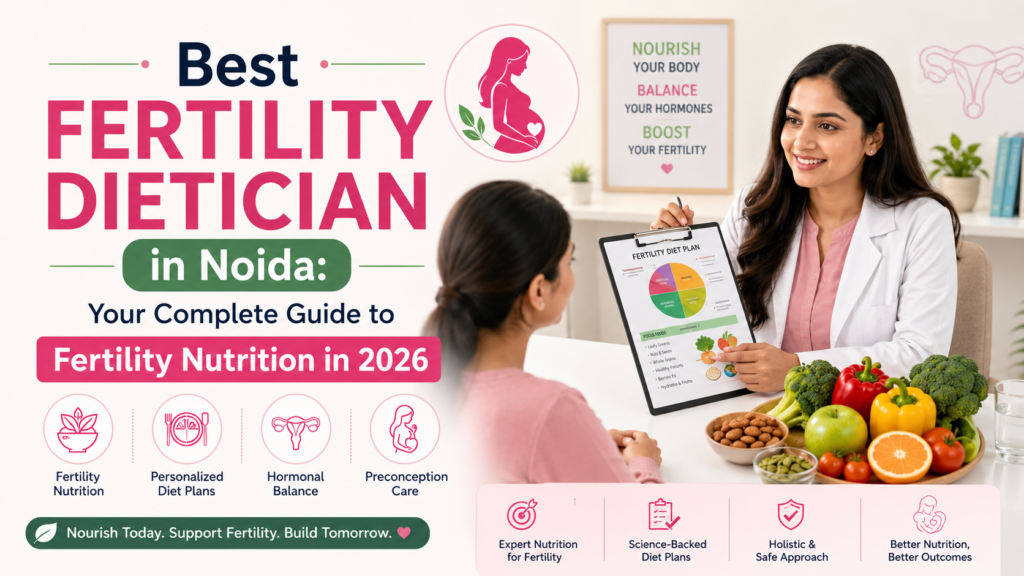
Planning a pregnancy is an exciting journey, but nutrition plays an important role in preparing the body for conception and a healthy pregnancy. A balanced diet can support overall reproductive health, hormone function, healthy ovulation, egg quality, and sperm health. In 2026, personalized fertility nutrition is becoming an increasingly valuable part of preconception care. Whether you are naturally trying to conceive, managing PCOS, or preparing for fertility treatment, working with the Best Fertility Dietician in Noida can help you understand your nutritional needs and create a practical diet plan.
Fertility Nutrition & Conception
What Is Fertility Nutrition?
Fertility nutrition focuses on providing the body with essential nutrients needed for reproductive and overall health. A well-balanced fertility diet may include adequate protein, healthy fats, whole grains, fruits, vegetables, vitamins, minerals, and sufficient hydration. The goal is not to follow a restrictive diet but to develop sustainable eating habits that support general wellness while preparing for conception.
How Nutrition Supports Conception
Nutrition can influence several aspects of reproductive health, including energy levels, metabolic health, hormone function, and nutrient status. A nutrient-rich diet can help create a healthy foundation before pregnancy. However, diet alone cannot guarantee conception. Fertility depends on many factors, including age, reproductive health, medical conditions, lifestyle, and other individual circumstances.
Personalized Fertility Diet Plan
Every person’s nutritional requirements are different. A Personalized Fertility Diet Plan considers factors such as age, dietary preferences, lifestyle, nutritional deficiencies, weight goals, PCOS, metabolic health, and whether natural conception or fertility treatment is being considered. Instead of following a generic internet diet, personalized guidance can make healthy eating more practical, realistic, and easier to maintain consistently.
Dietician for Pregnancy Planning in Noida
If you are preparing for pregnancy, nutrition planning can begin before conception. A Dietician for Pregnancy Planning in Noida can help you identify nutrient-rich foods, improve everyday eating habits, and understand which foods may fit your individual requirements. Preconception nutrition is about building healthy habits rather than searching for a single “fertility-boosting” food or quick solution.
Dietician for Conception in Noida
People trying to conceive often have questions such as, “What should I eat to increase my chances of getting pregnant?” A Dietician for Conception in Noida can provide practical nutrition guidance based on individual needs. The focus may include balanced meals, adequate protein, healthy fats, whole foods, hydration, and lifestyle habits that support overall reproductive health.
Best Foods for Fertility
1. Leafy Green Vegetables
Leafy greens such as spinach, kale, fenugreek leaves, and other vegetables can be valuable additions to a fertility-friendly diet. They provide nutrients such as folate, vitamin C, vitamin K, and dietary fiber. Folate is particularly important before and during pregnancy. Including a variety of vegetables rather than relying on one food can help improve overall diet quality and nutrient diversity.
2. Berries and Other Colorful Fruits
Berries, oranges, guava, papaya, apples, and other colorful fruits provide vitamins, minerals, fiber, and naturally occurring plant compounds. Including different colors of fruits and vegetables can help create a diverse diet. Instead of focusing on one “superfood,” aim for variety throughout the week. Whole fruits are generally preferable to fruit juices because they provide fiber and are more filling.
3. Whole Grains
Whole grains such as oats, brown rice, quinoa, whole wheat, barley, and millets can provide fiber and important nutrients. Replacing some refined grains with whole-grain options can support a balanced eating pattern. For people planning pregnancy, meals containing whole grains alongside protein, vegetables, and healthy fats can provide sustained energy and make meals more nutritionally complete.
4. Healthy Fats
Healthy fats can be included through foods such as nuts, seeds, avocado, olive oil, and fatty fish where appropriate. Fat is an essential nutrient and should not be completely eliminated from the diet. Choosing nutrient-rich sources of unsaturated fats can contribute to an overall balanced eating pattern. Portion sizes still matter because fats are energy-dense.
5. Protein-Rich Foods
Protein is essential for maintaining tissues and supporting many functions in the body. Eggs, dairy products, legumes, lentils, beans, tofu, nuts, seeds, fish, poultry, and lean meats can contribute protein to the diet. A fertility-friendly meal does not need to be complicated. Combining a protein source with vegetables, whole grains, and healthy fats can create a balanced meal.
6. Legumes and Beans
Lentils, chickpeas, kidney beans, black beans, and other legumes can provide protein, fiber, iron, folate, and other nutrients. They are also versatile and suitable for many Indian meals. Including dal, chana, rajma, sprouts, or other legumes regularly can help increase plant-based protein intake while adding variety to a fertility-focused eating pattern.
7. Seeds and Nuts
Almonds, walnuts, chia seeds, flaxseeds, pumpkin seeds, and sunflower seeds can add healthy fats, protein, fiber, and minerals to meals. They can be included in moderation as snacks or added to oats, yogurt, salads, or homemade meals. While these foods can be nutritious, they should be viewed as part of an overall balanced diet rather than as guaranteed fertility-enhancing foods.
Fertility Diet for Men & Women
Fertility Diet for Women
Women planning pregnancy need a nutrient-dense diet that supports overall health and adequate nutrient intake. Foods containing folate, iron, protein, healthy fats, calcium, and other essential nutrients can be incorporated into regular meals. A varied diet containing vegetables, fruits, whole grains, legumes, dairy or suitable alternatives, nuts, seeds, and quality protein sources can provide a strong nutritional foundation.
Foods That Support Healthy Egg Quality
People often ask, “What should women eat for better egg quality?” There is no single food that can guarantee improved egg quality. However, a balanced diet rich in vegetables, fruits, whole grains, legumes, nuts, seeds, healthy fats, and adequate protein can support overall health. Nutritional requirements can vary significantly, so supplementation should be discussed with an appropriate healthcare professional rather than started randomly.
Fertility Diet for Men
Male fertility is also an important part of conception. A balanced diet can support general health and provide nutrients involved in normal reproductive functions. Men may benefit from meals containing vegetables, fruits, whole grains, legumes, nuts, seeds, dairy or alternatives, and appropriate protein sources. Maintaining a healthy lifestyle alongside nutritious eating is important when trying to conceive.
Foods That May Support Sperm Health
When couples ask, “What foods help improve sperm quality?”, the answer should focus on overall dietary patterns rather than one particular ingredient. Nutrient-rich foods such as vegetables, fruits, nuts, seeds, whole grains, legumes, and quality protein sources can form part of a balanced diet. Sperm health can also be influenced by multiple lifestyle and medical factors, so persistent concerns should be evaluated by a qualified healthcare professional.
Best Diet for Couples Trying to Conceive
A Best diet for couples trying to conceive does not have to mean two completely different menus. Couples can generally focus on balanced meals containing vegetables, fruits, whole grains, legumes, protein sources, and healthy fats. Eating together and improving everyday food choices can make dietary changes easier to maintain. Individual requirements may still differ based on age, health, lifestyle, and nutritional status.
Diet Plan for Couples Planning Pregnancy
A Diet plan for couples planning pregnancy should focus on consistency rather than extreme restrictions. Breakfast could include oats, eggs, fruit, or another balanced option; lunch may combine whole grains, vegetables, dal and protein; and dinner can follow a similar balanced structure. Healthy snacks and adequate water can complete the day. Exact portions and supplements should be personalized according to individual needs.
IVF Nutrition Tips
Nutrition can also be an important part of preparing for fertility treatment. However, there is no universal IVF diet that guarantees successful treatment. Nutritional needs may differ depending on the person’s health, treatment stage, medications, dietary pattern, and medical history.
Before starting IVF, focus on balanced meals containing vegetables, fruits, whole grains, protein-rich foods, legumes, nuts, seeds, and healthy fats. Adequate hydration and regular meal patterns can also support general wellbeing.
During treatment, avoid unnecessarily restrictive diets or unverified “fertility detoxes.” Extreme fasting, excessive supplementation, or eliminating entire food groups without professional guidance may not be appropriate.
If you are preparing for IVF, discuss supplements and medications with your fertility care team. Certain nutrients, particularly folate before pregnancy, are commonly discussed during preconception care, but the appropriate amount depends on individual circumstances.
Nutrition should complement—not replace—medical fertility treatment. A Fertility Nutrition Consultation in Noida can help translate general nutrition principles into practical meals based on your preferences and requirements.
Foods to Avoid
When trying to conceive, the question “What should couples avoid while trying to conceive?” is just as important as asking what to eat. The focus should be on reducing habits that can negatively affect overall health rather than following an unnecessarily restrictive diet.
Highly processed foods, excessive added sugar, frequent deep-fried foods, and diets extremely high in saturated fats may be best limited. Excessive alcohol should be avoided when planning pregnancy, and caffeine intake should be discussed with a healthcare professional, particularly once pregnancy is possible.
Avoid unverified fertility supplements, herbal mixtures, detox drinks, or extreme diets promoted online as quick fertility solutions. Supplements should be used only when appropriate and preferably under professional guidance.
Food safety is also important during pregnancy planning and especially once pregnancy occurs. Properly wash produce, cook foods thoroughly, and follow appropriate food-handling practices.
Choosing a Fertility Dietician in Noida
Choosing the right professional is about more than finding someone who offers a standard meal chart. The Best Fertility Dietician should understand fertility-focused nutrition and be able to personalize recommendations according to your health, lifestyle, food preferences, and goals.
Look for someone who takes a detailed nutritional history and avoids unrealistic promises. A good consultation should help you understand why certain foods or dietary changes are recommended.
If convenience is important, an Online Fertility Dietician in Noida can also provide consultations remotely. This may be useful for couples with busy schedules or those who prefer virtual consultations.
You can search for a Fertility Dietician Near Me, compare professional qualifications, understand consultation options, and check whether the approach is personalized. Most importantly, fertility nutrition should work alongside medical guidance when fertility concerns or treatment are involved.
FAQs
What should I eat to increase my chances of getting pregnant?
Focus on a varied, nutrient-rich diet containing vegetables, fruits, whole grains, legumes, nuts, seeds, healthy fats, and adequate protein. There is no single food that guarantees pregnancy, so overall dietary quality and healthy lifestyle habits are more important.
Which foods are best for fertility?
There is no one best fertility food. A balanced combination of leafy greens, colorful fruits, whole grains, legumes, nuts, seeds, healthy fats, and quality protein can provide important nutrients as part of a fertility-friendly diet.
Can a fertility diet improve my chances of conception?
A healthy diet can support overall health and help address nutritional needs, but it cannot guarantee conception. Fertility is influenced by many factors, including age, reproductive health, medical conditions, and lifestyle. Personalized nutrition can complement appropriate medical care.
What should women eat for better egg quality?
Women can focus on a balanced diet containing vegetables, fruits, whole grains, legumes, nuts, seeds, healthy fats, and adequate protein. Nutritional needs vary, and concerns about egg quality should be discussed with a fertility specialist and qualified nutrition professional.
What foods help improve sperm quality?
A balanced diet containing vegetables, fruits, whole grains, legumes, nuts, seeds, and appropriate protein sources can support overall nutritional health. Sperm quality is influenced by several factors, so diet should be considered alongside medical evaluation and healthy lifestyle habits.
What should couples avoid while trying to conceive?
Couples should avoid excessive alcohol, highly restrictive diets, unnecessary supplements, and frequent consumption of highly processed foods. They should also avoid relying on unverified fertility remedies. Individual recommendations may vary depending on health and medical circumstances.
Is there a specific diet for PCOS and fertility?
There is no single PCOS diet suitable for everyone. A balanced eating pattern emphasizing vegetables, whole grains, protein, fiber, and healthy fats may support overall metabolic health. A personalized plan can be more appropriate depending on symptoms, lifestyle, and nutritional requirements.
Conclusion
Fertility nutrition is about creating a healthy foundation rather than searching for a magical fertility food. Whether you need a Fertility Diet Plan for Conception, guidance for PCOS, support before IVF, or practical nutrition advice for pregnancy planning, personalized recommendations can make your journey more structured and sustainable. If you are looking for the Best Fertility Dietician in Noida, professional guidance from Rupali Nayak can help you understand your nutritional needs and work toward a personalized approach to fertility-focused nutrition.