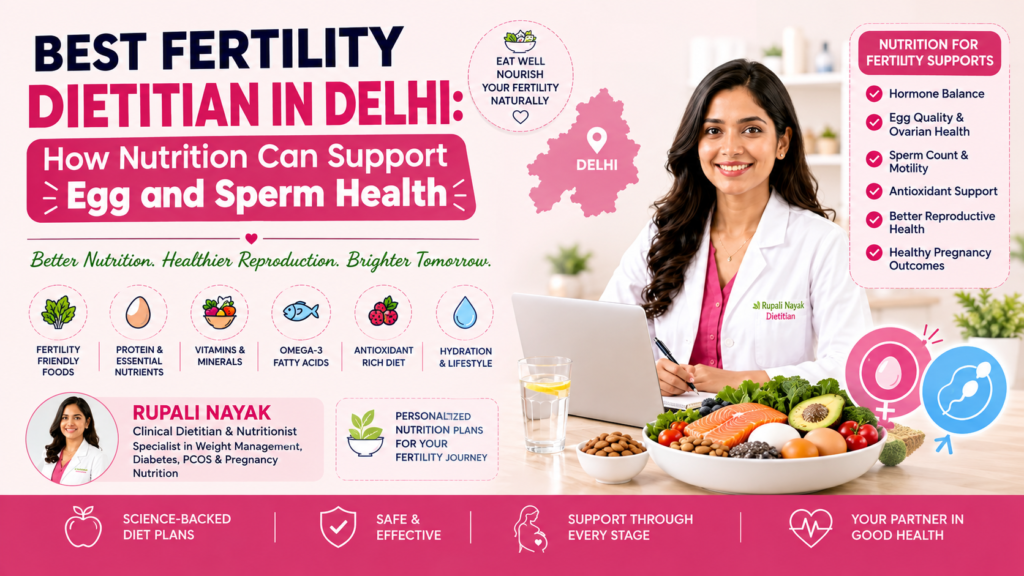
Fertility is influenced by several factors, including age, hormones, lifestyle, medical conditions, sleep, stress, and nutrition. While no single food or diet can guarantee conception, a balanced and nutrient-rich eating pattern can support overall reproductive health. This is where a Fertility Dietitian in Delhi can help couples understand their nutritional needs and make practical dietary changes.
A personalized Fertility Diet Plan for Couples can focus on supporting egg health, sperm health, hormonal balance, healthy weight, and overall well-being. Whether you are naturally trying to conceive or preparing for fertility treatment, appropriate nutrition can become an important part of your fertility journey.
Why Nutrition Matters for Fertility
Nutrition provides the body with the nutrients required for hormone production, cellular function, energy metabolism, and reproductive health. Both men and women can benefit from a balanced diet that includes adequate protein, healthy fats, vitamins, minerals, fiber, and antioxidants.
For women, nutrition can support normal hormonal function and provide nutrients involved in reproductive processes. A nutrient-dense Diet for Egg Health may help the body maintain an environment that supports reproductive wellness. For men, a balanced diet provides nutrients involved in normal sperm production and function.
Nutrition also becomes important when lifestyle factors such as excessive processed-food intake, nutrient deficiencies, smoking, alcohol consumption, inadequate sleep, or being significantly underweight or overweight are affecting overall health. A structured Fertility Nutrition Plan can help address these areas.
It is important to understand that nutrition is supportive rather than a replacement for medical fertility evaluation. If conception is taking longer than expected, couples should consult an appropriate healthcare professional while also improving their dietary and lifestyle habits.
Role of a Fertility Dietitian
A Fertility Dietitian helps individuals and couples understand how everyday food choices may relate to reproductive and overall health. Instead of recommending a generic diet, a professional may consider factors such as age, dietary preferences, lifestyle, weight goals, medical history, physical activity, and fertility-related concerns.
Fertility Nutrition Counseling can help identify nutritional gaps and create realistic changes that fit into a person’s daily routine. For example, someone following a vegetarian diet may need different food combinations to meet protein, iron, vitamin B12, and other nutritional requirements compared with someone who eats animal-based foods.
A fertility-focused professional may also guide couples regarding meal timing, hydration, healthy weight management, nutrient-dense foods, and foods that should be limited. For people undergoing fertility treatment, nutritional guidance may be adapted according to their individual treatment plan.
When searching for the Best Fertility Dietitian in Delhi, it is useful to look for someone who provides personalized guidance rather than promoting quick fixes or promising guaranteed fertility outcomes. A good nutrition approach should be evidence-informed, sustainable, and coordinated with medical care when necessary.
Nutrition for Egg Health & Quality
1. Antioxidant-Rich Foods
Antioxidants are found in many fruits and vegetables and help protect cells from oxidative stress. Berries, citrus fruits, leafy greens, tomatoes, carrots, and colorful vegetables can provide a variety of antioxidant compounds. Including different colors of plant foods throughout the week can make a diet more nutrient-dense. These foods are commonly included in a balanced Diet to Support Egg Quality and overall reproductive wellness.
2. Healthy Fats
Healthy fats are an important part of a balanced diet and can be obtained from foods such as nuts, seeds, avocados, olives, and fatty fish. These foods can provide unsaturated fats and other important nutrients. Replacing excessive intake of trans fats and highly processed fried foods with healthier fat sources may support overall metabolic and cardiovascular health, which is relevant to reproductive wellness.
3. Adequate Protein
Protein supports tissue maintenance, enzymes, hormones, and numerous bodily functions. Eggs, dairy products, legumes, lentils, beans, fish, poultry, nuts, and seeds can provide protein depending on dietary preferences. A fertility-focused eating pattern should generally include sufficient protein rather than relying heavily on refined carbohydrates. The exact requirement varies between individuals and should be adjusted according to overall health and nutritional needs.
4. Folate-Rich Foods
Folate is an important nutrient during the reproductive years and is particularly relevant before and during pregnancy. Green leafy vegetables, legumes, citrus fruits, beans, and fortified foods can contribute to dietary folate. However, food alone may not always provide the recommended amount needed before pregnancy, so individuals planning conception should discuss folic acid supplementation with their healthcare provider.
5. Iron and Nutrient-Dense Foods
Iron supports the production of hemoglobin and normal oxygen transport. Iron-containing foods include lentils, beans, leafy greens, lean meats, and fortified foods. Vitamin C-rich foods can help improve the absorption of non-heme iron from plant sources. Individuals with known iron deficiency should seek professional advice rather than relying solely on dietary changes.
6. Balanced Blood Sugar
Regular meals containing protein, fiber, healthy fats, and minimally processed carbohydrates can help create a more balanced eating pattern. Foods such as whole grains, vegetables, legumes, nuts, seeds, and protein-rich foods can be useful choices. Maintaining healthy metabolic function is particularly relevant for women experiencing conditions associated with insulin resistance or hormonal imbalance.
7. Healthy Weight and Overall Nutrition
Being significantly underweight or overweight may affect reproductive health in some individuals. A balanced approach to weight management should focus on adequate nutrition rather than extreme calorie restriction. A personalized Diet for Egg Health can help ensure that weight-related goals do not result in inadequate intake of essential nutrients.
Nutrition for Sperm Health & Quality
1. Antioxidant-Rich Fruits and Vegetables
Sperm cells can be affected by oxidative stress, making a diet rich in fruits and vegetables a useful part of overall nutritional support. Citrus fruits, berries, tomatoes, leafy greens, carrots, peppers, and other colorful produce provide various vitamins and antioxidant compounds. Rather than relying on one so-called fertility food, it is better to consume a wide variety of plant foods regularly.
2. Zinc-Rich Foods
Zinc is an essential mineral involved in numerous biological processes, including normal reproductive function. Foods such as meat, seafood, dairy products, beans, lentils, nuts, and seeds can provide zinc. Adequate intake should come primarily from a balanced diet unless supplementation is recommended by a qualified healthcare professional based on individual needs.
3. Omega-3 Fatty Acids
Omega-3 fatty acids are found in foods such as fatty fish, walnuts, chia seeds, and flaxseeds. They are important components of a healthy diet and play roles in normal cellular function. Including appropriate sources of healthy fats may contribute to an overall nutrient-rich eating pattern. People who avoid fish can discuss suitable plant-based sources with a nutrition professional.
4. Adequate Selenium
Selenium is required in small amounts and contributes to several important biological functions. Brazil nuts, seafood, eggs, meat, and some grains can provide selenium, although amounts vary. More is not necessarily better because excessive selenium intake can be harmful. A balanced diet is generally preferable to taking high-dose supplements without professional guidance.
5. Quality Protein
Adequate protein supports many processes involved in maintaining the body’s tissues and functions. Lean meats, eggs, dairy, legumes, beans, lentils, fish, nuts, and seeds can all contribute to protein intake. A Diet to Improve Sperm Quality should focus on overall dietary quality rather than one particular food or supplement.
6. Reduce Highly Processed Foods
Frequent consumption of foods high in added sugars, unhealthy fats, and excessive sodium can reduce overall diet quality. Replacing heavily processed snacks and fast foods with vegetables, fruits, whole grains, legumes, nuts, seeds, and quality protein can improve the nutritional profile of the diet. These changes may be particularly valuable when building a long-term Diet for Sperm Health.
7. Maintain a Healthy Lifestyle
Nutrition works alongside other lifestyle factors. Regular physical activity, sufficient sleep, stress management, avoiding tobacco, limiting alcohol, and maintaining a healthy weight can all contribute to general health. Men concerned about fertility should also discuss persistent fertility issues with a medical professional rather than relying only on dietary changes.
Best Fertility-Boosting Foods
There is no single food that can guarantee pregnancy. However, several nutrient-dense foods can form part of a balanced fertility-focused eating pattern.
Leafy green vegetables: Spinach, kale, and other greens provide folate, fiber, and several micronutrients.
Berries and colorful fruits: Berries and other colorful fruits provide antioxidants and can add variety to the diet.
Nuts and seeds: Almonds, walnuts, chia seeds, flaxseeds, and pumpkin seeds provide healthy fats, protein, fiber, and minerals.
Legumes: Lentils, chickpeas, kidney beans, and other legumes provide plant-based protein, fiber, folate, and minerals.
Whole grains: Oats, brown rice, whole wheat, quinoa, and other whole grains can provide fiber and important nutrients.
Eggs: Eggs are a convenient source of high-quality protein and several micronutrients.
Fatty fish: Salmon, sardines, and similar fish can provide omega-3 fatty acids and protein.
Dairy or suitable alternatives: Milk, yogurt, and fortified alternatives can contribute protein and selected vitamins and minerals.
Instead of focusing on isolated Foods to Improve Egg Quality or Foods to Improve Sperm Quality, couples should aim for an overall diet rich in minimally processed and nutrient-dense foods.
When to Consult a Fertility Dietitian
A fertility-focused nutrition consultation can be useful when couples want personalized dietary guidance while planning pregnancy. It may be particularly helpful if there are concerns about nutritional deficiencies, unhealthy weight, restrictive diets, PCOS, insulin resistance, metabolic health, or preparation for fertility treatment.
A Fertility Dietitian in Delhi can review current eating habits and identify practical opportunities for improvement. This may include increasing protein or fiber intake, improving fruit and vegetable consumption, selecting healthier fats, addressing meal patterns, or managing excessive consumption of processed foods.
Couples undergoing IVF or other fertility treatments may also benefit from individualized nutrition guidance. However, dietary recommendations should complement—not replace—medical treatment.
When choosing a Best Fertility Dietician in Delhi, consider qualifications, experience with fertility nutrition, personalized consultation methods, and the ability to work alongside your healthcare team. Avoid professionals who promise guaranteed conception or claim that a specific food, detox, or supplement can cure infertility.
FAQs
Can nutrition improve egg quality?
Nutrition can support overall reproductive and cellular health, but there is no diet proven to guarantee improved egg quality or pregnancy. A balanced eating pattern containing adequate protein, healthy fats, fruits, vegetables, whole grains, and essential micronutrients can support general health. Women planning pregnancy should discuss individual nutritional requirements and supplements with their healthcare provider.
What foods support egg health?
Foods that contribute to a nutrient-rich diet include leafy green vegetables, colorful fruits, berries, legumes, nuts, seeds, whole grains, eggs, dairy or suitable alternatives, and healthy sources of fat. Instead of depending on one food, consistently eating a varied and balanced diet is a more practical approach to supporting overall nutritional health.
What foods improve sperm health?
A nutrient-dense diet containing fruits, vegetables, legumes, whole grains, nuts, seeds, eggs, lean proteins, and appropriate sources of omega-3 fats can support overall nutritional health. Foods provide nutrients such as zinc, selenium, folate, and antioxidants. However, dietary changes cannot guarantee improved fertility, and persistent concerns should be evaluated medically.
Can diet improve fertility?
Diet may support factors related to overall reproductive health, including healthy weight, metabolic health, and adequate nutrient intake. However, infertility can have many causes that require medical evaluation. A Fertility Nutritionist in Delhi can provide dietary guidance as part of a broader fertility-care approach, but nutrition should not be viewed as a standalone treatment for infertility.
What should I eat to improve fertility?
Focus on a varied diet containing vegetables, fruits, whole grains, legumes, nuts, seeds, healthy fats, and adequate protein. Limit excessive intake of highly processed foods, added sugars, and unhealthy fats. Individual requirements can differ, so a personalized Fertility Diet Plan may be more appropriate than following a restrictive online fertility diet.
Which nutrients are important for egg quality?
Important nutrients involved in reproductive and overall health include folate, iron, vitamin B12, vitamin D, iodine, zinc, choline, omega-3 fatty acids, and antioxidants. Requirements vary between individuals. Women planning pregnancy should discuss folic acid and other supplements with their healthcare provider rather than taking high-dose fertility supplements independently.
Which nutrients support sperm health?
Nutrients associated with normal reproductive function include zinc, selenium, folate, vitamins C and E, vitamin D, and omega-3 fatty acids. These nutrients can be obtained from a varied diet containing vegetables, fruits, seafood, eggs, legumes, nuts, seeds, and other nutrient-rich foods. Supplementation should be considered only with appropriate professional guidance.
Conclusion
Nutrition cannot guarantee conception, but it can play a valuable supportive role in reproductive wellness. A balanced diet can provide nutrients needed for normal body functions while supporting healthy weight, metabolic health, and overall well-being. Both partners should focus on long-term dietary quality rather than searching for a single fertility-boosting food.
A personalized Fertility Nutrition Plan can make these changes easier by considering individual dietary habits, nutritional needs, lifestyle, and fertility goals. Couples looking for the Best Fertility Dietitian in Delhi can consider consulting Rupali Nayak, who can provide personalized nutrition guidance focused on fertility and overall wellness.
With the right combination of nutritious food choices, healthy lifestyle habits, and appropriate medical guidance, couples can take a more informed and balanced approach to their fertility journey.