IVF is a carefully planned fertility treatment that involves several stages, including ovarian stimulation, egg retrieval, fertilization, embryo development, and embryo transfer. Along with medical treatment, maintaining healthy lifestyle and dietary habits can help support overall nutritional health throughout the IVF journey.
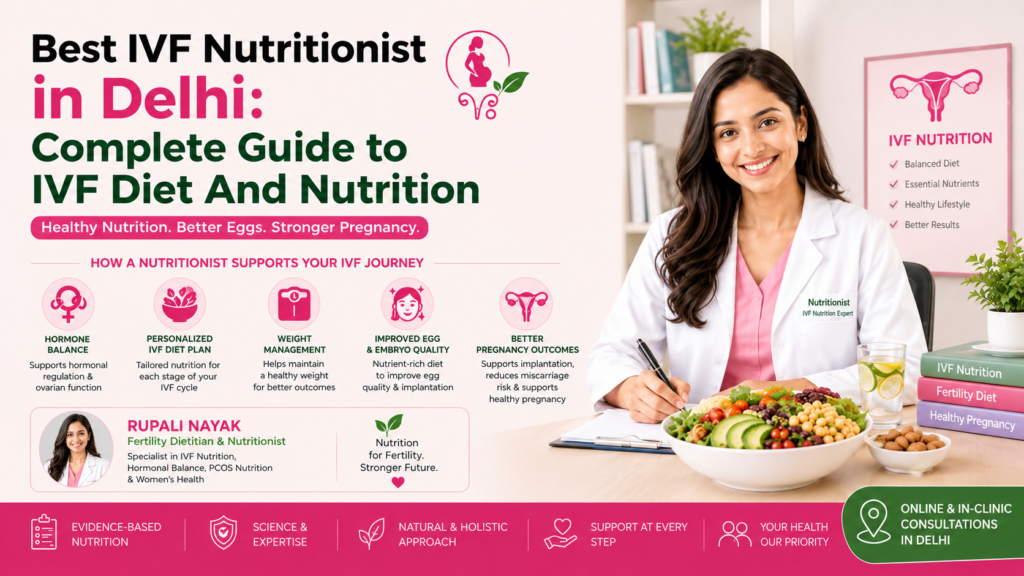
Choosing the Best IVF Nutritionist in Delhi can be helpful for women and couples who want personalized guidance about food, nutrients, meal planning, and healthy habits before and during fertility treatment. However, nutrition should complement medical IVF care rather than replace fertility medicines, monitoring, or advice from your doctor.
An appropriate IVF preparation diet focuses on balanced meals, adequate protein, healthy fats, fiber, vitamins, minerals, hydration, and safe food choices. Instead of looking for one specific IVF success diet, it is better to follow a sustainable eating pattern based on individual nutritional requirements.
This guide explains IVF nutrition, preconception nutrition, fertility-focused foods, foods to limit, embryo-transfer nutrition, and how to choose an IVF Nutritionist in Delhi.
What Is IVF Nutrition?
IVF nutrition refers to dietary guidance designed to support nutritional health before, during, and sometimes after IVF treatment. It is not a medical treatment and cannot guarantee implantation, pregnancy, or IVF success.
An IVF Dietitian in Delhi may assess eating habits, nutritional deficiencies, dietary preferences, lifestyle factors, and individual requirements before developing a personalized nutrition plan. The focus is generally on improving overall diet quality rather than depending on individual “fertility foods.”
A balanced IVF diet for women can include vegetables, fruits, whole grains, legumes, nuts, seeds, suitable dairy products, and appropriate protein sources. Healthy fats and adequate hydration can also be part of a well-rounded eating pattern.
For couples, nutrition can be addressed before treatment begins. A Best IVF Dietitian in Delhi for couples may provide practical guidance that considers the dietary needs of both partners.
It is also important to understand that no particular food or supplement has been proven to guarantee IVF success. Nutritional care should therefore be considered supportive care alongside appropriate fertility treatment.
Why Nutrition Matters for Fertility & IVF
Nutrition plays an important supportive role in overall fertility health and the IVF journey. A balanced diet provides essential nutrients such as protein, healthy fats, fiber, vitamins, and minerals that the body needs for normal functions. Good nutrition can also help maintain a healthy lifestyle before and during fertility treatment.
For women preparing for IVF, an IVF preparation diet can focus on nutrient-rich foods such as vegetables, fruits, whole grains, pulses, nuts, seeds, and appropriate protein sources. Adequate hydration and safe food choices are also important.
A fertility-focused eating pattern may support overall nutritional well-being during treatment, but no specific food or IVF success diet can guarantee implantation or pregnancy. Individual requirements can vary based on health conditions, dietary preferences, medications, and treatment plans. Therefore, nutrition should complement—not replace—medical IVF care and guidance from a qualified fertility team.
Preconception Diet for Better Fertility
Preconception nutrition focuses on building healthy eating habits before trying to conceive or starting fertility treatment. A balanced diet can help provide essential nutrients required for overall health and prepare the body for pregnancy. For couples planning IVF, following a nutrient-rich eating pattern may also make it easier to maintain healthy lifestyle habits throughout the treatment journey.
A Best Preconception Nutritionist in Delhi or Preconception Dietitian in Delhi can help identify individual nutritional requirements and create a practical preconception diet plan. This may include vegetables, fruits, whole grains, pulses, nuts, seeds, dairy or suitable alternatives, and adequate sources of protein.
Important nutrients such as folate, iron, calcium, vitamin D, protein, and healthy fats may need particular attention depending on individual requirements. However, supplementation should not be started without professional advice, especially when fertility medicines are involved.
For women, a Pre Pregnancy Nutritionist in Delhi can also provide guidance on food safety, hydration, caffeine, alcohol, and maintaining a balanced weight without extreme diets. The goal is not to follow a restrictive fertility diet but to establish sustainable eating habits that support overall health before pregnancy.
For couples undergoing fertility treatment, personalized preconception nutrition can work alongside medical care and help create a structured approach before IVF begins.
Best Foods to Eat During IVF
1. Leafy Green Vegetables
Spinach, broccoli, kale, fenugreek leaves, and other green vegetables provide folate, fiber, vitamins, and minerals. Including different vegetables throughout the week can improve overall dietary variety. Rather than depending on one particular fertility food, include vegetables in regular meals alongside protein, whole grains, and healthy fats for a balanced IVF preparation diet.
2. Protein-Rich Foods
Eggs, lentils, beans, dairy products, tofu, poultry, and suitable fish can help provide protein needed for normal body functions and tissue maintenance. Protein requirements differ between individuals, so portions should be personalized. Including a protein source in regular meals can also make an IVF diet for women more balanced and satisfying throughout treatment.
3. Whole Grains
Oats, brown rice, quinoa, barley, and whole-wheat products provide carbohydrates, fiber, and various nutrients. Choosing whole grains more frequently than refined grains can contribute to overall diet quality. They can be combined with vegetables and protein to create balanced meals that are practical to follow throughout IVF treatment without requiring complicated or expensive ingredients.
4. Nuts and Seeds
Almonds, walnuts, chia seeds, flaxseeds, and pumpkin seeds provide healthy fats, protein, fiber, and several micronutrients. They can be added to breakfast, salads, yogurt, or snacks in appropriate portions. Nuts and seeds are nutrient-dense, but more is not necessarily better. Portion sizes should fit the person’s overall energy requirements and personalized nutrition plan.
5. Fruits and Berries
Apples, oranges, guava, berries, kiwi, pomegranate, and other seasonal fruits can provide vitamins, minerals, fiber, and naturally occurring antioxidants. Whole fruits are generally preferable to frequent fruit juices because they retain fiber. Include a variety of fruits instead of focusing on one “fertility fruit.” Properly wash fresh produce before consumption.
6. Healthy Fat Sources
Avocado, nuts, seeds, olive oil, and other sources of unsaturated fats can fit into a balanced fertility-focused diet. Dietary fats are also important for normal body functions and absorption of certain vitamins. The goal should be overall dietary balance rather than consuming excessive amounts of any particular fat because it is promoted as an IVF-friendly food.
7. Fish and Seafood
Appropriate low-mercury fish can provide protein and beneficial fatty acids. However, women undergoing IVF should follow current seafood-safety recommendations because pregnancy may occur during treatment. High-mercury fish should be avoided or limited according to medical guidance. Those who do not consume fish can discuss suitable alternatives for obtaining required nutrients with a qualified nutrition professional.
8. Dairy or Suitable Alternatives
Milk, yogurt, paneer, and other dairy products can provide protein and calcium. People who avoid dairy may choose appropriately fortified alternatives depending on their nutritional needs. Prefer minimally processed options where suitable and consider individual tolerance. Dairy does not need to be completely eliminated unless medically or personally required.
9. Legumes and Pulses
Lentils, chickpeas, kidney beans, peas, and other pulses can provide plant-based protein, fiber, iron, and other nutrients. They can easily be included through dal, chana, rajma, soups, salads, or mixed meals. Combining pulses with vegetables and whole grains can create practical, nutritious meals that fit comfortably into an Indian-style IVF food chart.
10. Adequate Fluids
Adequate hydration supports normal body functions and should remain part of everyday nutrition during IVF. Water can generally be the primary beverage, while sugary drinks can be limited. Fluid requirements vary according to individual circumstances, activity, weather, and medical conditions. Follow your fertility team’s instructions if they provide specific recommendations about fluid intake.
Foods to Avoid During IVF
1. High-Mercury Fish
Some large predatory fish contain higher levels of mercury, which is important to consider when pregnancy is possible. Women undergoing IVF should follow recognized pregnancy and seafood-safety guidance. Avoiding high-mercury fish does not mean avoiding all seafood. Low-mercury options can often be included safely when prepared appropriately and consumed according to recommended guidelines.
2. Unpasteurized Foods
Unpasteurized milk and certain products made from unpasteurized ingredients can carry foodborne infection risks. During IVF, especially when pregnancy may occur, choosing pasteurized products is a sensible food-safety precaution. Check labels when necessary and avoid products with uncertain preparation or storage conditions. Good food hygiene should be considered alongside nutritional quality.
3. Raw or Undercooked Eggs
Raw or undercooked eggs can carry foodborne infection risks. During IVF and potential early pregnancy, eggs should generally be cooked thoroughly unless pasteurized products are being used appropriately. Proper refrigeration and kitchen hygiene are also important. Avoid foods containing raw egg unless you know that pasteurized eggs have been safely used.
4. Raw or Undercooked Meat
Raw or inadequately cooked meat may contain harmful bacteria or parasites. During IVF, when pregnancy may occur, properly cooking meat is an important food-safety practice. Choose thoroughly cooked meat, maintain proper refrigeration, and prevent cross-contamination during preparation. There is generally no need to eliminate nutritious protein sources when they are prepared safely.
5. Excessive Caffeine
Caffeine intake should be considered during IVF because pregnancy may occur during treatment. Coffee, tea, energy drinks, chocolate, and some medicines can contribute to total caffeine intake. Rather than assuming caffeine is completely safe or completely prohibited, discuss an appropriate intake level with your fertility team and consider all dietary sources.
6. Alcohol
Alcohol is best avoided when trying to conceive, undergoing IVF, or when pregnancy is possible. There is no established safe amount of alcohol during pregnancy. Avoiding alcohol removes unnecessary uncertainty during treatment. Anyone who regularly consumes alcohol and is preparing for IVF should discuss their situation with their healthcare provider for appropriate guidance.
7. Highly Processed Foods
Highly processed snacks, sugary beverages, deep-fried foods, and packaged meals can provide large amounts of added sugar, sodium, or saturated fat while contributing fewer nutrients. Occasional consumption does not need to create anxiety, but frequent dependence on these foods can make balanced eating more difficult. Focus primarily on varied, nutrient-rich whole foods.
8. Unverified Herbal Supplements
Natural or herbal products are not automatically safe during IVF. Some supplements may interact with fertility medicines or lack sufficient safety evidence during pregnancy. Avoid starting fertility supplements, herbal mixtures, or high-dose vitamins without professional advice. Discuss all supplements with your fertility specialist or qualified nutrition professional before adding them to your routine.
IVF Nutrition During Early Pregnancy
After a positive IVF pregnancy test, nutritional needs become an important part of overall maternal health. A balanced diet can provide protein, fiber, vitamins, minerals, and healthy fats needed during early pregnancy. Meals can include vegetables, fruits, whole grains, pulses, dairy or suitable alternatives, and safe protein sources. Food safety is also important, so unpasteurized foods, alcohol, and raw or undercooked foods should be avoided. A Best Pregnancy Dietitian in Delhi can help create a personalized nutrition plan according to individual requirements, pregnancy stage, dietary preferences, and medical advice. Nutrition should always complement guidance from the obstetrician and fertility team.
How an IVF Nutritionist Can Help
An IVF Nutritionist in Delhi can provide personalized dietary guidance before and during fertility treatment. Instead of following a generic IVF food chart, a nutrition professional can consider individual nutritional requirements, food preferences, lifestyle, deficiencies, and treatment stages. An IVF Nutrition Specialist in Delhi may help with meal planning, healthy food choices, hydration, food safety, and questions about supplements. Guidance can also cover preconception nutrition, IVF preparation, embryo-transfer nutrition, and early pregnancy eating habits. A personalized approach can make healthy eating easier to follow while ensuring that nutrition remains supportive care alongside medical IVF treatment.
How to Choose the Best IVF Nutritionist in Delhi
When choosing the Best IVF Nutritionist in Delhi, look for relevant qualifications, experience in fertility or preconception nutrition, and an approach based on evidence rather than guaranteed results. Ask whether the professional provides personalized meal planning based on your nutritional needs, dietary preferences, and IVF treatment stage. It can also be useful to understand how they coordinate recommendations with your fertility specialist or healthcare team. A good nutrition professional should explain recommendations clearly and avoid promoting unnecessary supplements, restrictive diets, or claims that a particular food can guarantee IVF success. Practical, sustainable guidance is generally more useful than a rigid diet plan.
FAQs
What is the best diet during IVF?
A balanced diet containing vegetables, fruits, whole grains, protein, healthy fats, and suitable dairy or alternatives is a practical foundation. Individual nutritional needs can vary.
What foods are good for IVF?
There is no single food proven to guarantee IVF success. A varied diet containing vegetables, fruits, legumes, whole grains, nuts, seeds, and appropriate protein sources can support overall nutritional health.
What should I avoid during IVF?
Alcohol, high-mercury fish, unpasteurized foods, and raw or undercooked foods should generally be avoided or limited according to food-safety recommendations. Discuss caffeine and supplements with your healthcare provider.
What should I eat before embryo transfer?
Choose regular, balanced meals containing protein, vegetables, whole grains, healthy fats, and adequate fluids. There is no specific food proven to guarantee embryo implantation.
What should I eat after embryo transfer?
Continue eating balanced, nutritious, and food-safe meals after embryo transfer. Include appropriate protein, vegetables, fruits, whole grains, and healthy fats while following your fertility team’s instructions.
What foods improve fertility during IVF?
No individual food has been proven to guarantee improved IVF outcomes. A varied, nutrient-dense dietary pattern can support overall nutritional health during treatment.
Can an IVF nutritionist help with preconception nutrition?
Yes. A Pre Pregnancy Nutritionist in Delhi or Pre Pregnancy Dietitian in Delhi can help identify nutritional gaps and establish healthy eating habits before conception or fertility treatment.
When should I start an IVF diet?
Healthy dietary habits can ideally be established before treatment begins. However, there is no universal starting date. A qualified nutrition professional can create a plan according to your treatment timeline and individual needs.
Conclusion
Nutrition can be an important supportive part of a healthy fertility and IVF journey. Instead of relying on a single IVF success diet, women and couples can focus on balanced meals, adequate nutrients, hydration, food safety, and sustainable lifestyle habits. Preconception, fertility, IVF, embryo-transfer, and early-pregnancy nutrition can all be approached as connected stages of the overall journey.
For personalized guidance, working with a qualified professional can help make dietary recommendations practical, realistic, and aligned with individual nutritional needs. Medical fertility treatment should always remain at the center of IVF care.
For personalized fertility, IVF, preconception, and pregnancy nutrition guidance, Rupali Nayak can help women and couples develop a practical nutrition approach tailored to their fertility journey.