Pregnancy is a significant stage of life when nutritional needs change to support the mother’s health and the baby’s growth. Eating a balanced diet becomes especially important for getting nutrients such as protein, iron, folate, calcium, vitamin D, and healthy fats. However, deciding what to eat, how much to eat, and which foods to avoid can sometimes be challenging. Consulting a Pregnancy Dietitian in Chhattisgarh can provide personalized nutrition guidance and help expectant mothers develop healthy and practical eating habits throughout pregnancy.
Why Pregnancy Nutrition Matters
Nutrition plays an important role in supporting maternal wellbeing and fetal growth throughout pregnancy. The body undergoes many physical and metabolic changes, which can influence appetite, digestion, energy requirements, and nutrient needs.
A balanced pregnancy diet should generally include vegetables, fruits, whole grains, protein-rich foods, healthy fats, and suitable dairy or fortified alternatives. Adequate hydration and food safety are also important parts of pregnancy nutrition.
It is important to understand that pregnancy does not simply mean eating larger quantities of food. Instead, the focus should be on improving the nutritional quality of meals and choosing foods that provide essential vitamins, minerals, protein, fibre, and other nutrients.
Individual nutritional needs can vary depending on factors such as age, pre-pregnancy weight, trimester, activity level, dietary preferences, allergies, and overall health. A Best Pregnancy Dietitian in Chhattisgarh can help translate these individual requirements into practical meals and food choices.
Nutrition should also complement regular prenatal medical care. If a pregnant woman has a medical or pregnancy-related condition, dietary recommendations should be coordinated with her healthcare provider.
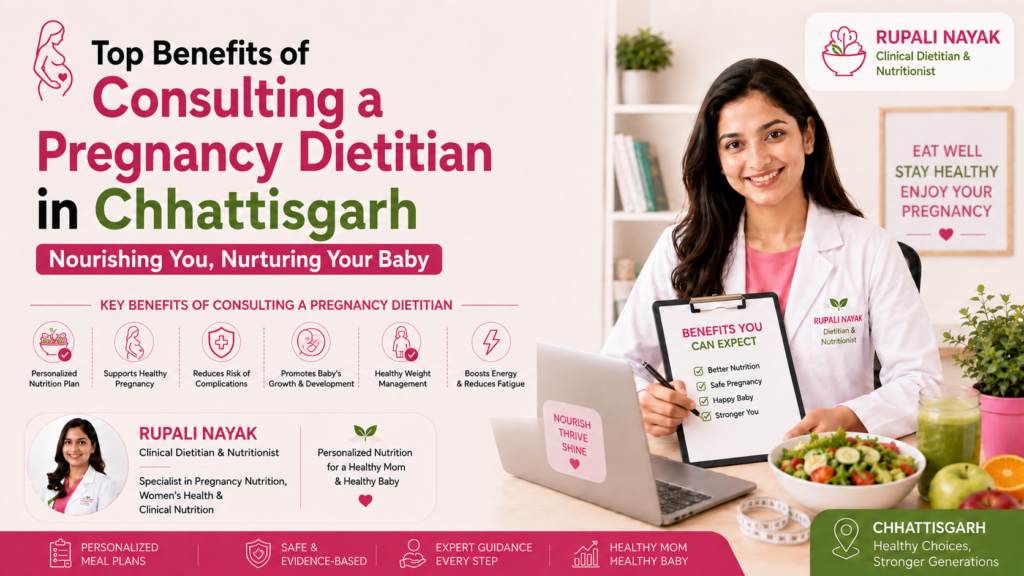
Benefits of a Pregnancy Dietitian
1. Personalized Nutrition Guidance
Every pregnancy is different, and nutritional requirements can vary from one woman to another. A pregnancy dietitian can review dietary habits, lifestyle, food preferences, nutritional requirements, and individual concerns before suggesting changes. Instead of following a generic diet chart, personalized guidance can make healthy eating more practical, sustainable, and suitable for the mother’s specific needs throughout different stages of pregnancy.
2. Helps Meet Essential Nutrient Requirements
Pregnancy increases the importance of nutrients such as folate, iron, calcium, protein, vitamin D, and other essential vitamins and minerals. A dietitian can help identify food sources that contribute to these nutrients and organize them into balanced meals. When supplementation is required, recommendations should be coordinated with the healthcare provider to ensure that nutritional needs are appropriately addressed.
3. Supports Healthy Weight Management
Healthy weight gain during pregnancy varies according to factors such as pre-pregnancy body mass index and individual circumstances. A dietitian can help create balanced meals that provide adequate nutrition without encouraging unnecessary calorie intake. The objective is not restrictive dieting or weight loss during pregnancy, but supporting appropriate nutritional intake and healthy weight gain through nutrient-dense foods and sensible portions.
4. Helps Manage Common Pregnancy Concerns
Nausea, vomiting, constipation, heartburn, food aversions, and changing appetite are common concerns during pregnancy. Nutrition strategies may help make eating more comfortable for some women. A dietitian can suggest suitable meal timing, food combinations, portion sizes, and preparation methods based on individual tolerance. Persistent or severe symptoms should always be discussed with the treating healthcare professional.
5. Creates a Practical Pregnancy Meal Plan
A professionally designed Pregnancy Diet Plan Chhattisgarh can make everyday meal planning easier. Instead of wondering what to prepare for breakfast, lunch, snacks, and dinner, expectant mothers can follow a structured approach based on their nutritional needs and food preferences. A practical plan can also incorporate familiar Indian foods, making it easier to maintain consistently.
6. Provides Trimester-Wise Nutrition Support
Nutritional needs and pregnancy symptoms can change throughout the first, second, and third trimesters. A dietitian can adjust meal patterns as pregnancy progresses and help address changing appetite, energy requirements, and food tolerance. This trimester-wise approach can make nutrition guidance more relevant than following the same diet throughout pregnancy, particularly when individual needs or symptoms change.
7. Improves Understanding of Food Choices
Pregnancy can generate many questions about which foods are healthy and which should be limited. A dietitian can explain food labels, portion sizes, cooking methods, food combinations, and safer alternatives. This education helps women make informed choices independently rather than relying on confusing internet advice. The focus is on developing practical nutrition knowledge that can remain useful beyond pregnancy.
8. Supports Food Safety Awareness
Food safety becomes especially important during pregnancy because certain infections can pose risks to the mother and developing baby. A dietitian can provide guidance on appropriate food preparation, washing produce, choosing pasteurized products, cooking animal foods thoroughly, and storing perishable foods safely. Personalized advice can help reduce unnecessary risks while allowing women to continue enjoying a varied and nutritious diet.
Best Pregnancy Foods
1. Leafy Green Vegetables
Leafy vegetables such as spinach, fenugreek leaves, kale, and other greens can contribute folate, fibre, vitamins, and minerals to the diet. They can be included in cooked vegetables, soups, dals, or other meals. Vegetables should be washed properly before preparation. Including a variety of vegetables rather than depending on one specific food can help improve the overall nutritional quality of pregnancy meals.
2. Protein-Rich Foods
Protein is important during pregnancy because it supports maternal tissue maintenance and fetal growth. Suitable options may include eggs, lentils, beans, paneer, curd, tofu, fish, poultry, and other protein-rich foods. Including a protein source in regular meals can make the diet more balanced and satisfying. The appropriate amount depends on individual requirements, dietary preferences, and overall meal composition.
3. Fresh Fruits
Whole fruits can provide fibre, vitamins, minerals, and naturally occurring antioxidants. Apples, guava, oranges, bananas, pears, berries, and other seasonal fruits can be included as part of a balanced pregnancy diet. Fruits should be washed thoroughly before consumption. Whole fruit is generally preferable to sugary fruit drinks because it provides fibre and can be more filling while contributing valuable nutrients.
4. Whole Grains
Whole grains can provide carbohydrates, fibre, vitamins, and minerals. Foods such as oats, whole wheat, brown rice, barley, quinoa, and suitable millets may be incorporated according to individual preferences. Combining whole grains with protein and vegetables can create balanced meals. Portion requirements vary, so a personalized approach is more appropriate than assuming that everyone needs the same quantity of carbohydrate-rich foods.
5. Dairy and Suitable Alternatives
Milk, curd, paneer, and other pasteurized dairy products can provide protein and calcium. For women who do not consume dairy, suitable fortified alternatives may be considered. Calcium contributes to the development of the baby’s bones and teeth and supports maternal bone health. Food choices should take into account lactose intolerance, allergies, dietary preferences, and any other individual nutritional considerations.
6. Nuts and Seeds
Nuts and seeds can provide healthy fats, protein, fibre, and several micronutrients. Almonds, walnuts, chia seeds, flaxseeds, and pumpkin seeds can be included in appropriate portions. Since these foods are relatively energy-dense, portion control remains useful. Women with nut or seed allergies should avoid the relevant foods and seek suitable alternatives from their healthcare or nutrition professional.
7. Legumes and Pulses
Dal, chickpeas, kidney beans, peas, and other legumes are useful sources of protein, fibre, carbohydrates, and micronutrients. They can fit naturally into Indian pregnancy meals and can be combined with vegetables and suitable grains. Including different varieties of pulses and legumes can add dietary variety. Preparation methods and portion sizes should be adapted according to individual digestion and nutritional needs.
Essential Pregnancy Nutrients
1. Folate and Folic Acid
Folate supports normal cell division and fetal development. Food sources include leafy green vegetables, legumes, citrus fruits, and fortified foods. Folic acid supplementation is commonly recommended during pregnancy planning and early pregnancy, but the appropriate dose should be determined by a healthcare professional. A dietitian can help incorporate folate-rich foods while medical professionals guide supplementation based on individual requirements.
2. Iron
Iron is required for haemoglobin production and becomes particularly important during pregnancy because blood volume increases. Dietary sources include lentils, beans, leafy vegetables, eggs, meat, and fortified foods. Some women may require iron supplementation depending on their blood test results and medical assessment. Iron-rich meals can be combined thoughtfully with other foods to support overall nutritional adequacy.
3. Calcium
Calcium contributes to the development of the baby’s bones and teeth while supporting maternal bone health. Suitable sources include pasteurized milk, curd, paneer, fortified alternatives, tofu, and certain vegetables. Adequate calcium intake should be considered alongside vitamin D because vitamin D contributes to calcium absorption and bone health. Supplement requirements should be determined according to professional medical advice.
4. Vitamin D
Vitamin D is important for calcium absorption and normal bone health. Dietary sources can include fortified foods, eggs, and certain fish. Sunlight can also contribute to vitamin D status, although exposure varies based on factors such as location, skin type, clothing, and lifestyle. If deficiency is suspected, testing and supplementation should be discussed with a healthcare provider.
5. Protein
Protein supports fetal growth and maternal tissue development. Including protein throughout the day can make it easier to meet nutritional requirements. Eggs, dairy products, legumes, beans, tofu, paneer, fish, and poultry are among the options that may be included. The exact amount needed varies, so individual assessment is preferable to following a generalized protein target without professional guidance.
6. Omega-3 Fatty Acids
Omega-3 fatty acids, particularly DHA, are associated with fetal brain and eye development. Certain lower-mercury fish can provide DHA, while plant foods such as flaxseeds and chia seeds provide another type of omega-3 fatty acid. Pregnant women should follow current seafood safety recommendations. Supplements should only be used according to appropriate medical or nutrition guidance.
Foods to Avoid
1. Raw or Undercooked Foods
Raw or undercooked eggs, meat, poultry, and seafood may contain harmful microorganisms that can cause foodborne illness. During pregnancy, foods should be cooked thoroughly and handled safely. Proper refrigeration and kitchen hygiene are also important. If a particular food preparation method is uncertain, it is better to follow established food-safety guidance or consult a healthcare professional.
2. Unpasteurized Products
Unpasteurized milk and products made using unpasteurized ingredients may carry harmful bacteria. Pregnant women should generally choose pasteurized dairy products and check labels when necessary. Proper storage is also important. Food safety is a key part of pregnancy nutrition, and avoiding higher-risk products can help reduce the chance of foodborne infections during pregnancy.
3. High-Mercury Fish
Certain fish can contain high levels of mercury, which may be harmful to fetal development when consumed excessively. Pregnant women should follow recognized seafood guidance regarding safer fish choices and recommended serving amounts. Fish can still provide valuable protein and omega-3 fatty acids when appropriate varieties are selected. Individual seafood choices should be discussed with a healthcare professional when necessary.
4. Excessive Caffeine
Caffeine can be found in coffee, tea, energy drinks, chocolate, and some medications. High caffeine intake during pregnancy may be associated with certain pregnancy risks, so intake should be limited according to current medical recommendations. Because caffeine content varies considerably between products, checking labels and discussing an appropriate daily amount with a healthcare provider can be helpful.
5. Alcohol
Alcohol should be avoided during pregnancy because there is no established safe amount or safe time for alcohol consumption during pregnancy. Alcohol exposure can affect fetal development. Women who have concerns about accidental alcohol exposure should discuss them with their healthcare provider rather than relying on internet advice. Choosing alcohol-free alternatives is the safer approach during pregnancy.
6. Poorly Washed Produce
Fruits and vegetables are nutritious parts of pregnancy diets, but they should be washed thoroughly before eating or preparation. Poorly washed produce may carry microorganisms or contaminants. Proper washing, storage, preparation, and kitchen hygiene can reduce food-safety risks. Raw sprouts may also carry foodborne illness risks and should be approached carefully according to current pregnancy food-safety guidance.
How to Choose the Best Dietitian
Finding the Best Pregnancy Dietitian in Chhattisgarh involves looking beyond online claims or generic diet charts. Pregnancy nutrition is an individualized area, so the professional you choose should understand maternal nutrition, trimester-wise dietary requirements, food safety, and practical meal planning.
If you are searching for a Pregnancy Dietitian near me, Pregnancy Dietitian in Chhattisgarh near me, or a Pregnancy Nutritionist in Chhattisgarh, consider whether the professional offers personalized consultations rather than simply providing a standard diet chart.
A suitable professional should ideally discuss your current eating habits, trimester, lifestyle, food preferences, allergies, nutritional requirements, and relevant medical information. They should also be willing to coordinate nutrition recommendations with your obstetrician or healthcare provider when required.
Look for evidence-based guidance rather than unrealistic promises. No diet can guarantee a particular pregnancy outcome, and nutrition should not replace prenatal medical care.
A good Dietitian for Pregnancy in Chhattisgarh can also make the plan practical by incorporating familiar foods, realistic meal timings, appropriate portions, and sustainable habits. Follow-up consultations can help adjust the plan as pregnancy progresses and nutritional needs change.
FAQs
Why should I consult a pregnancy dietitian in Chhattisgarh?
A pregnancy dietitian can provide personalized nutrition guidance based on your trimester, dietary preferences, lifestyle, nutritional needs, and individual concerns. Professional guidance can help you build balanced meals, understand important nutrients, make safer food choices, and manage common nutrition-related concerns during pregnancy.
How can a pregnancy dietitian help during pregnancy?
A dietitian can help create a personalized pregnancy meal plan, suggest nutrient-rich foods, explain portion sizes, support healthy weight gain, and provide practical strategies for common concerns such as nausea or constipation. They can also help you understand food safety and coordinate dietary recommendations with your healthcare provider when necessary.
What is the best diet during pregnancy?
There is no single diet that is best for every pregnant woman. A balanced diet generally includes vegetables, fruits, whole grains, protein-rich foods, healthy fats, and suitable dairy or fortified alternatives. Individual nutritional needs vary, so a personalized plan can be more appropriate than following a generic pregnancy diet chart.
What foods should I eat during pregnancy?
Pregnancy meals can include vegetables, whole fruits, whole grains, legumes, eggs, pasteurized dairy products, suitable protein sources, nuts, seeds, and healthy fats. Variety is important because no single food provides all the nutrients required during pregnancy. Food choices should also consider allergies, dietary preferences, food safety, and individual nutritional requirements.
What foods should be avoided during pregnancy?
Alcohol, raw or undercooked animal foods, unpasteurized products, and fish high in mercury should generally be avoided or limited according to current food-safety guidance. Excessive caffeine should also be avoided. Properly washing produce and following safe food preparation and storage practices are equally important during pregnancy.
What nutrients are important during pregnancy?
Important nutrients include folate, iron, calcium, vitamin D, protein, iodine, and omega-3 fatty acids, among others. Nutritional requirements vary between individuals. A balanced diet can provide many nutrients, while prenatal supplements may be recommended by healthcare professionals when appropriate.
Can nutrition support baby development?
Adequate maternal nutrition provides nutrients needed for normal fetal growth and development. A varied diet containing sufficient protein, vitamins, minerals, healthy fats, and energy supports overall maternal nutrition. However, nutrition cannot guarantee a particular outcome, and regular prenatal healthcare remains essential throughout pregnancy.
What foods are best for pregnant women?
Nutrient-dense foods such as vegetables, fruits, legumes, whole grains, eggs, pasteurized dairy products, nuts, seeds, and suitable protein sources can be valuable choices. The best combination depends on individual nutritional requirements, dietary preferences, allergies, trimester, and health circumstances.
How can I maintain a healthy weight during pregnancy?
Healthy pregnancy weight gain depends partly on pre-pregnancy weight and individual circumstances. Rather than following a restrictive diet, focus on balanced meals, nutrient-dense foods, appropriate portions, regular physical activity when medically appropriate, and adequate hydration. Your obstetrician or nutrition professional can provide individualized recommendations.
Conclusion
Consulting a Pregnancy Dietitian in Chhattisgarh can make pregnancy nutrition more structured, practical, and personalized. From understanding essential nutrients and choosing the best pregnancy foods to planning balanced meals and following food-safety practices, professional guidance can support healthier eating habits throughout pregnancy. Rupali Nayak can provide personalized nutrition guidance designed around individual dietary preferences, lifestyle, and pregnancy-related nutritional needs. A well-planned diet should complement regular prenatal check-ups and advice from your healthcare team.