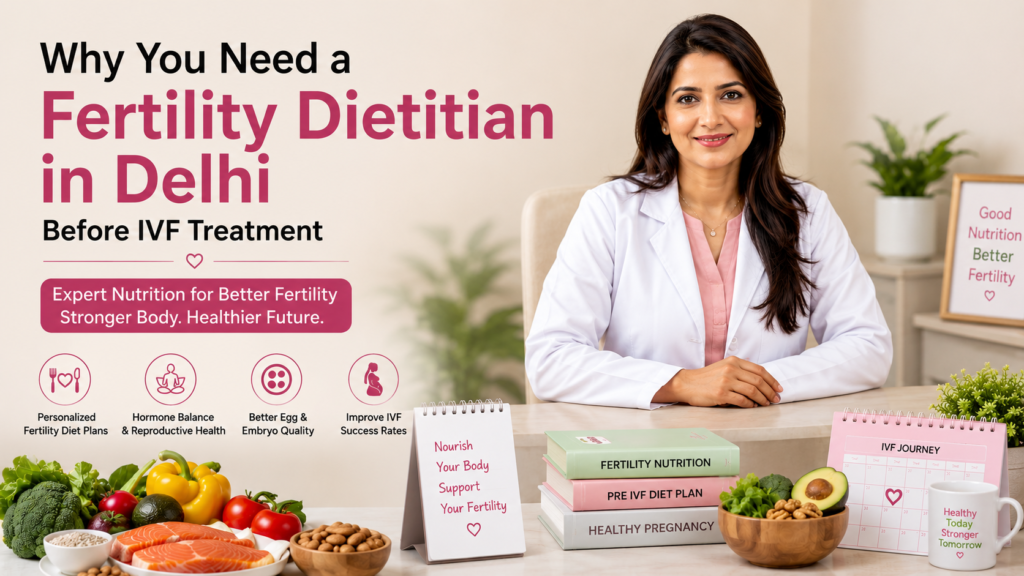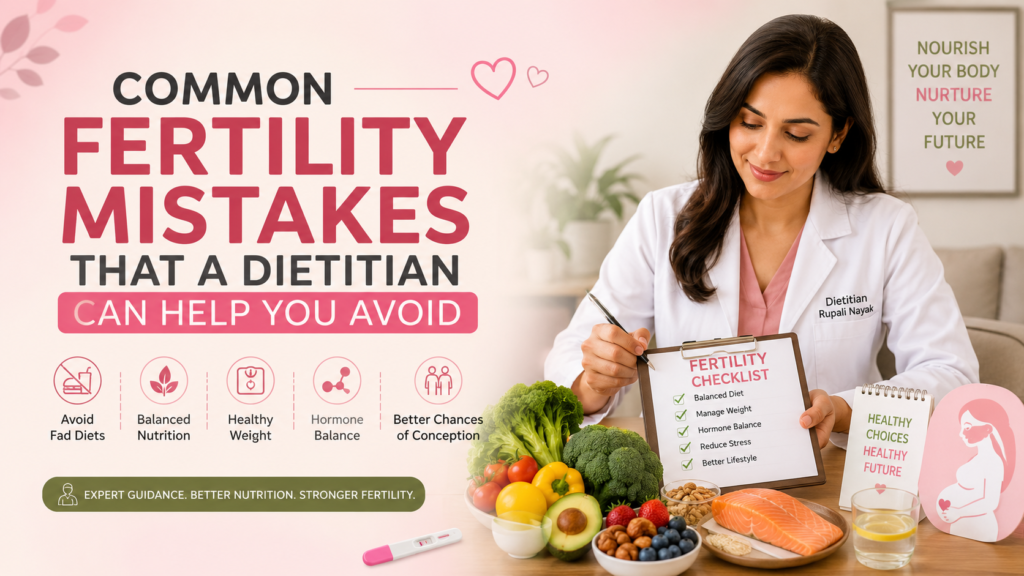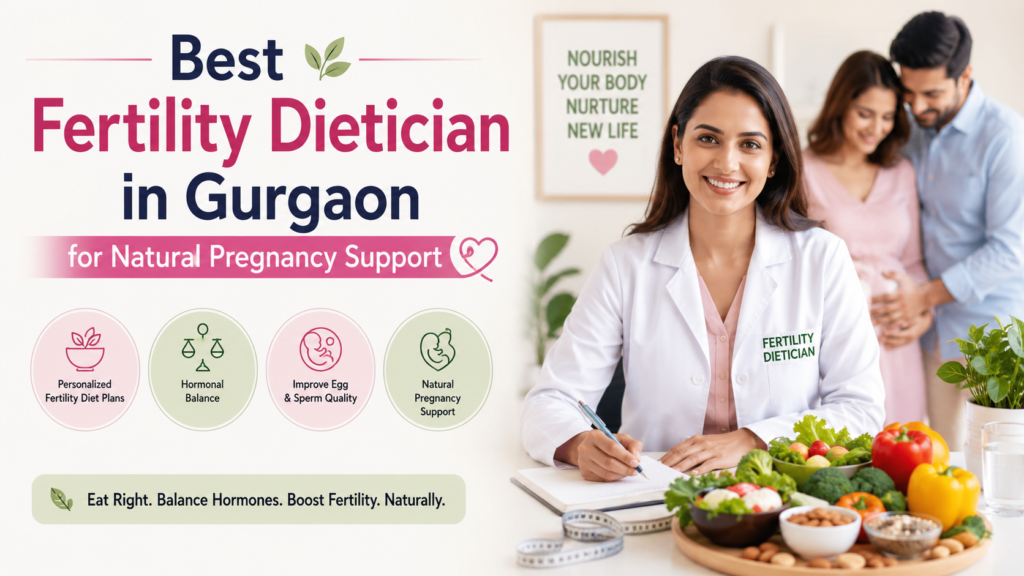
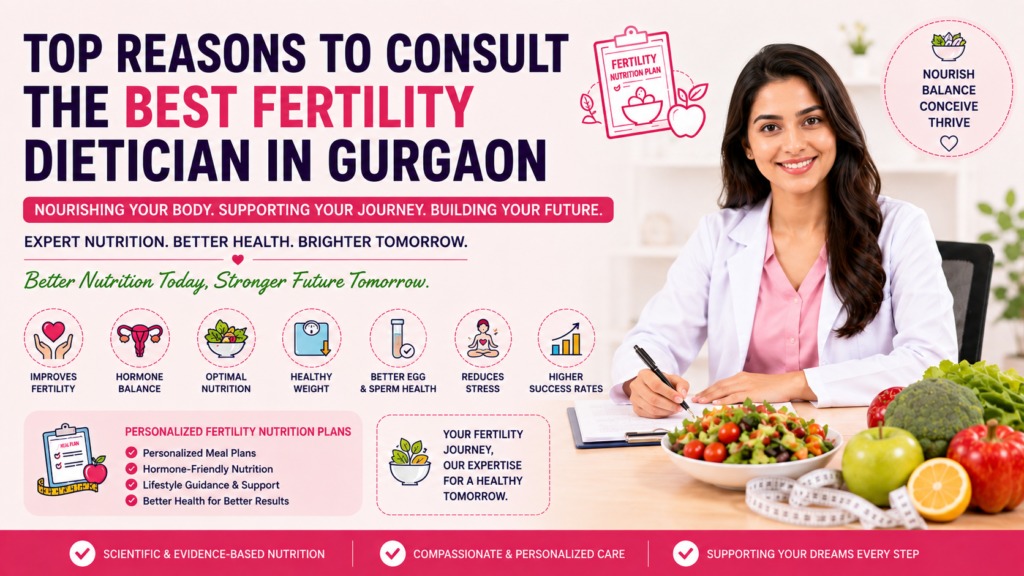
Fertility is influenced by several factors, including age, lifestyle, reproductive health, nutrition, stress, sleep, and overall wellbeing. While diet alone cannot guarantee conception, good nutrition can support the body during preconception and fertility-focused care. This is where a qualified Best Fertility Dietitian in Gurgaon can provide personalized nutritional guidance. Rather than following generic fertility diets available online, professional advice can help individuals understand their nutritional needs and develop realistic eating habits that complement their overall fertility journey.
Why Does Nutrition Matter for Fertility?
Nutrition plays an important role in supporting overall reproductive and metabolic health. The body needs adequate protein, healthy fats, vitamins, minerals, fibre, and other nutrients for normal physiological functions. Poor dietary habits or nutritional deficiencies may affect overall wellbeing, while a balanced diet can help create a healthier foundation for preconception.
For both women and men, nutritional needs can vary depending on age, lifestyle, existing health conditions, activity levels, and personal goals. A Fertility Dietitian in Gurgaon can assess these factors and suggest appropriate dietary improvements.
Fertility nutrition is not about following an extremely restrictive meal plan or consuming a handful of so-called “fertility foods.” Instead, it generally focuses on overall dietary quality, balanced meals, healthy weight management, adequate hydration, and sustainable lifestyle habits.
A professional nutrition approach may also be useful before conception because it gives individuals an opportunity to identify unhealthy eating patterns and nutritional gaps. When combined with appropriate medical guidance, a balanced nutritional strategy can become an important part of preconception wellness.
Top Reasons to Consult a Fertility Dietitian
1. Get a Personalized Nutrition Plan
Every individual’s nutritional requirements are different. A personalized consultation considers factors such as age, lifestyle, food preferences, activity levels, current eating habits, and fertility goals. Instead of following a generic diet from the internet, a professional can help create a practical plan that fits daily routines. This makes healthy eating more manageable and allows dietary recommendations to be adjusted according to individual needs.
2. Support Preconception Nutrition
The period before conception is an opportunity to focus on overall health and nutrition. A fertility-focused nutrition plan can help individuals develop balanced eating habits and identify areas where their diet may need improvement. A Dietitian for fertility in Gurgaon can provide guidance on nutrient-dense foods, meal planning, hydration, and lifestyle habits that support general wellbeing during the preconception stage.
3. Address Nutritional Gaps
Busy lifestyles and unbalanced eating patterns can sometimes make it difficult to obtain all essential nutrients through food. A professional nutrition assessment can help identify possible gaps in the diet. Based on individual circumstances, a dietitian may suggest food-based strategies or discuss supplementation with the appropriate healthcare professional. The objective is to build a nutritionally adequate diet rather than relying on unnecessary supplements.
4. Support Healthy Weight Management
Body weight can be one factor associated with reproductive health, although fertility is complex and cannot be determined by weight alone. If weight management is appropriate, a fertility nutrition professional can help develop a balanced calorie-controlled approach without extreme dieting. The focus can be on nutrient-dense meals, appropriate portions, regular physical activity, and sustainable habits rather than rapid weight-loss methods.
5. Improve Everyday Eating Habits
Many people know that they should “eat healthy” but may not know how to apply this advice to everyday meals. A fertility dietitian can provide practical guidance for breakfast, lunch, dinner, snacks, eating outside the home, and social occasions. This can make healthy nutrition easier to follow consistently. Small improvements in meal quality and regularity can become sustainable lifestyle habits over time.
6. Support Overall Reproductive Wellness
Fertility nutrition involves more than individual foods. A balanced diet can contribute to overall nutritional and metabolic wellbeing, which is relevant to reproductive health. A professional may consider the person’s complete lifestyle, including sleep, physical activity, stress, hydration, and dietary habits. This broader perspective can help individuals develop a healthier routine rather than focusing solely on isolated foods or supplements.
7. Receive Evidence-Based Guidance
The internet contains numerous fertility diet trends, supplements, detox plans, and food claims. Some may be unsupported or exaggerated. Consulting a qualified professional can help separate practical nutritional advice from popular myths. A Best fertility nutritionist in Gurgaon can guide individuals toward realistic dietary strategies and help them avoid unnecessary restrictions, extreme diets, or supplements that may not be suitable for their circumstances.
Best Foods for Fertility Health
1. Leafy Green Vegetables
Leafy green vegetables such as spinach, fenugreek leaves, kale, and other seasonal greens can be valuable additions to a balanced diet. They provide fibre, folate, vitamins, minerals, and various plant compounds. Including a variety of vegetables throughout the week can improve overall dietary quality. Rather than focusing on one “fertility food,” aim for a colourful and diverse selection of vegetables as part of regular meals.
2. Protein-Rich Foods
Protein is an important macronutrient required for numerous functions in the body. Suitable sources may include eggs, dairy products, paneer, tofu, lentils, beans, fish, poultry, and other options according to dietary preferences. Including adequate protein in meals can help create balanced and satisfying meals. The ideal amount can vary between individuals, so portions should be considered in the context of the overall diet.
3. Whole Grains
Whole grains can provide carbohydrates, fibre, vitamins, and minerals as part of a balanced eating pattern. Foods such as oats, whole wheat, brown rice, quinoa, barley, and suitable millets can be incorporated according to personal preferences. Choosing minimally processed grain options can contribute to overall diet quality. Portion sizes and meal combinations should still be considered according to individual nutritional requirements and energy needs.
4. Fruits and Berries
Fruits provide fibre, vitamins, minerals, and naturally occurring antioxidants. A variety of seasonal fruits can be included in a balanced diet rather than relying on juices or highly processed fruit products. Apples, oranges, guava, berries, pears, pomegranate, and other fruits can provide valuable nutrients. Whole fruits are generally preferable to sugary beverages because they also provide fibre and can contribute to greater satiety.
5. Nuts and Seeds
Nuts and seeds can provide healthy fats, protein, fibre, and several micronutrients. Almonds, walnuts, chia seeds, flaxseeds, pumpkin seeds, and other suitable options can be incorporated into meals or snacks in appropriate portions. They are energy-dense, so quantity still matters, particularly for individuals with specific weight-management goals. A balanced diet can include these foods without treating them as a guaranteed fertility treatment.
6. Healthy Fat Sources
Healthy fat sources can form part of a nutritious fertility-friendly eating pattern. Options may include nuts, seeds, avocados, and suitable cooking oils. Dietary fats contribute to energy intake and help the body absorb certain fat-soluble vitamins. Rather than removing fats completely, the focus should be on food quality and appropriate portions. Individual dietary requirements should determine the overall amount and sources of fat consumed.
Foods & Habits to Avoid
1. Excessively Processed Foods
Highly processed foods may contain high amounts of added sugar, sodium, unhealthy fats, and calories while providing relatively fewer nutrients. Frequent consumption may make it harder to maintain an overall balanced diet. Foods such as packaged snacks, heavily processed fast foods, and sugary products can be limited in favour of nutrient-dense alternatives. The goal is not necessarily complete elimination but maintaining moderation and overall dietary quality.
2. Excessive Added Sugar
Regularly consuming large amounts of sugary beverages, sweets, desserts, and other foods high in added sugar can contribute to excessive calorie intake and may make healthy weight management more difficult. Instead of relying heavily on sugary drinks, individuals can choose water, unsweetened beverages, or other suitable options. A fertility-focused diet should emphasize nutrient-rich foods while keeping added sugar consumption within a balanced dietary pattern.
3. Crash Dieting
Very restrictive diets and rapid weight-loss programs can make it difficult to meet nutritional requirements. Eliminating multiple food groups without professional guidance may increase the risk of inadequate nutrient intake. Fertility nutrition should generally prioritize nourishment and sustainable habits rather than dramatic short-term weight changes. Anyone considering significant weight loss should seek appropriate professional guidance to determine a safe and suitable approach.
4. Excessive Alcohol and Smoking
Alcohol consumption and smoking can negatively affect overall health and may be relevant to reproductive health. Individuals planning pregnancy should discuss alcohol and smoking with their healthcare professionals and follow appropriate medical guidance. Avoiding tobacco exposure is particularly important for overall health. Lifestyle recommendations should always be personalized, especially when an individual is undergoing fertility evaluation or treatment.
5. Unnecessary Supplements
Fertility supplements are widely promoted online, but taking multiple products without professional advice is not always appropriate. Supplements may interact with medications or may provide nutrients in amounts that are unnecessary for an individual. A qualified professional can help identify dietary gaps and coordinate supplement discussions with healthcare providers. Nutritional supplements should complement an appropriate diet rather than replace balanced meals.
6. Poor Sleep and Inactive Lifestyle
Fertility nutrition should not be considered separately from lifestyle. Inadequate sleep, prolonged inactivity, excessive stress, and irregular routines can affect overall wellbeing. Regular physical activity, sufficient rest, stress-management practices, and a balanced diet can support healthier lifestyle habits. Individuals should focus on realistic improvements rather than trying to change everything at once. Consistency is generally more sustainable than extreme lifestyle changes.
Benefits of a Personalized Fertility Diet
1. Nutrition Based on Individual Needs
A personalized fertility diet considers the individual’s age, lifestyle, dietary pattern, preferences, nutritional requirements, and personal goals. Instead of recommending the same foods to everyone, the plan can be adjusted according to specific circumstances. This approach can make nutritional advice more relevant and practical. It also allows recommendations to evolve as lifestyle needs or fertility-related circumstances change.
2. Better Meal Structure
A personalized plan can provide a clearer structure for daily meals and snacks. This can be particularly useful for people with busy schedules who often skip meals or depend on convenient processed foods. Planning meals in advance can make it easier to include vegetables, protein, whole grains, fruits, and healthy fats regularly. A structured approach can also reduce dependence on last-minute unhealthy food choices.
3. Sustainable Dietary Changes
A fertility diet should be realistic enough to continue over time. Personalized nutrition focuses on gradual improvements rather than extreme restrictions. Individuals can learn how to modify portions, choose healthier alternatives, prepare balanced meals, and manage occasional indulgences. This approach can help healthy eating become part of everyday life instead of treating fertility nutrition as a temporary diet that ends after a specific period.
4. Support for Healthy Lifestyle Goals
Nutrition works alongside other lifestyle factors. A personalized plan can help individuals connect food choices with physical activity, sleep, hydration, stress management, and weight-related goals. This holistic approach can encourage better overall health habits. While diet cannot guarantee conception, improving general nutritional and lifestyle practices can create a healthier foundation for individuals preparing for pregnancy.
5. Guidance During Different Stages
Nutritional needs and priorities can change depending on an individual’s circumstances. Someone preparing for conception may have different goals from someone already undergoing fertility treatment. A personalized approach allows dietary recommendations to be adapted when appropriate. This flexibility can make professional nutrition support more useful than following a fixed online diet plan that does not consider personal circumstances.
6. Greater Confidence in Food Choices
Conflicting information about fertility nutrition can make food choices confusing. A personalized consultation can help individuals understand what foods to prioritize, how to create balanced meals, and which popular diet claims should be approached cautiously. With clearer guidance, people may feel more confident making everyday dietary decisions. The focus remains on balanced nutrition rather than searching for one food that can guarantee fertility improvement.
How to Choose the Best Fertility Dietitian in Gurgaon
When searching for the Best Fertility Dietitian in Gurgaon, consider more than online popularity or attractive claims. Look for a qualified professional who takes a personalized approach to nutrition and understands preconception and reproductive health.
A good consultation should begin with an understanding of your current diet, lifestyle, activity levels, food preferences, nutritional concerns, and personal goals. If relevant, the professional should also be willing to consider information provided by your healthcare team.
If you are searching for a Fertility Dietitian near me or a Fertility Nutritionist near me, compare consultation methods, personalization, follow-up support, and the type of guidance offered. Avoid professionals who promise guaranteed conception or claim that a particular food or supplement can solve every fertility concern.
You can also look for a professional who provides practical meal planning rather than an unnecessarily restrictive chart. The best approach should fit your cultural food preferences, working schedule, family routine, and lifestyle.
For individuals looking specifically for a Fertility Dietician in Gurgaon, it is also important to understand that nutrition is complementary to medical fertility care. Fertility challenges can have many causes, and appropriate medical evaluation may be necessary. A nutrition professional can support dietary and lifestyle goals while doctors and fertility specialists address medical aspects of care.
FAQs
What does a fertility dietitian do?
A fertility dietitian provides nutrition and lifestyle guidance focused on supporting overall health during the preconception or fertility journey. They may assess eating habits, nutritional requirements, lifestyle factors, and personal goals before creating a customized dietary approach. The focus is generally on balanced nutrition and sustainable habits rather than promising a specific fertility outcome.
Why should I consult a fertility dietitian in Gurgaon?
Consulting a fertility dietitian can be useful if you want personalized nutrition guidance while preparing for conception or addressing lifestyle-related nutritional concerns. A professional can help assess your current diet, identify potential nutritional gaps, improve meal quality, and develop realistic eating habits that fit your lifestyle.
How can a fertility dietitian help with conception?
A fertility dietitian cannot guarantee conception, but they can provide nutritional guidance that supports overall health and wellbeing. This may include improving dietary quality, supporting healthy weight management when appropriate, addressing nutritional gaps, and establishing sustainable eating habits. Medical fertility concerns should be evaluated and managed by an appropriate healthcare professional.
What is the best diet for fertility?
There is no single diet that is universally considered the best for fertility. A balanced eating pattern that includes vegetables, fruits, whole grains, adequate protein, healthy fats, and appropriate hydration can support overall nutritional health. Individual requirements differ, so personalized guidance may be useful when preparing for conception.
Can diet improve fertility naturally?
Diet can support overall nutritional, metabolic, and general health, but it cannot guarantee improved fertility or conception. A nutrient-dense eating pattern combined with appropriate physical activity, sleep, stress management, and medical care when needed can contribute to a healthier lifestyle. Fertility concerns should be discussed with qualified healthcare professionals.
How does nutrition affect fertility?
Nutrition provides the energy, protein, fats, vitamins, minerals, and other nutrients required for normal body functions. Maintaining a balanced diet can support overall health and metabolic wellbeing, which are relevant to reproductive health. However, fertility is influenced by multiple factors, so nutrition should be considered one part of a broader approach.
What foods are good for fertility?
A balanced fertility-friendly eating pattern can include vegetables, fruits, whole grains, legumes, eggs, dairy or suitable alternatives, fish or other protein sources, nuts, seeds, and healthy fats. There is no single food that guarantees fertility improvement. Variety and overall dietary quality are more important than focusing on one specific “fertility food.”
Can nutrition support egg quality?
Nutrition contributes to overall health and provides nutrients needed for normal physiological functions. However, egg quality is influenced by several biological and age-related factors and cannot be guaranteed through diet alone. A fertility-focused nutrition plan can support general nutritional wellbeing while individuals discuss fertility-specific concerns with their gynecologist or fertility specialist.
Is there a specific fertility diet?
There is no universal fertility diet that works for everyone. A suitable nutrition plan should consider individual dietary requirements, lifestyle, preferences, health concerns, and fertility goals. A personalized approach generally emphasizes balanced meals, nutrient-dense foods, healthy lifestyle habits, and sustainable changes rather than extreme restrictions or unproven food combinations.
What should I eat to improve fertility?
Focus on a varied, nutrient-dense diet containing vegetables, fruits, whole grains, protein-rich foods, legumes, nuts, seeds, and suitable healthy fat sources. Adequate hydration and balanced portions are also important. Since nutritional requirements differ between individuals, a qualified professional can help create a personalized plan based on your specific circumstances.
Conclusion
Choosing the Best Fertility Dietitian in Gurgaon can make the nutritional side of your fertility journey more structured and practical. Personalized guidance can help improve dietary quality, address nutritional gaps, support healthy lifestyle habits, and create sustainable meal patterns without relying on extreme fertility diets. If you are looking for professional nutrition guidance, Rupali Nayak can help develop a personalized approach based on your dietary needs, lifestyle, and fertility-related goals. Remember that nutrition is one part of fertility care, and appropriate medical guidance should be considered whenever required.