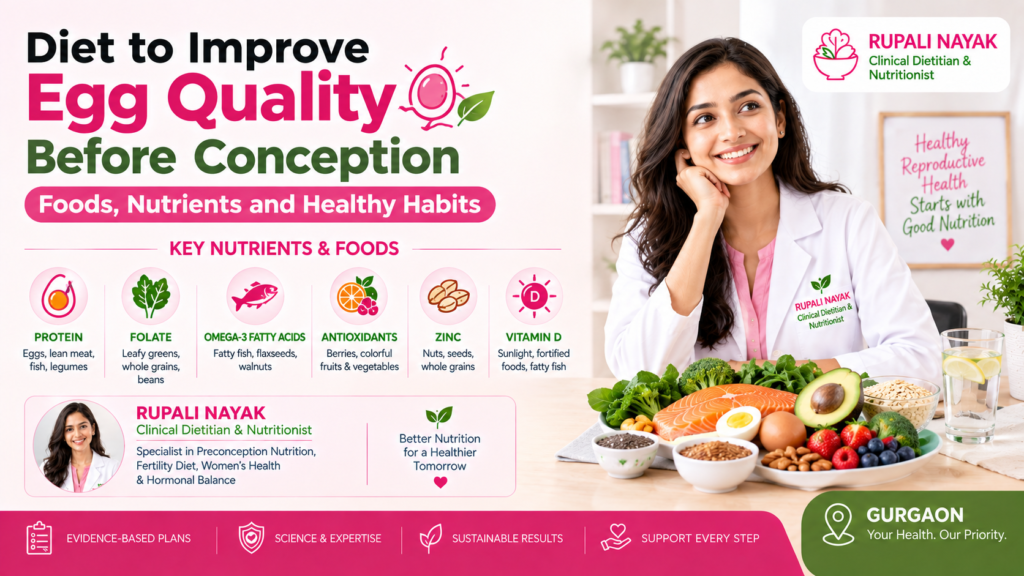
Preparing for pregnancy involves more than tracking ovulation or choosing the right time to conceive. Nutrition and lifestyle habits can also play an important role in supporting overall reproductive health. A balanced Diet to Improve Egg Quality Before Conception focuses on nutrient-dense foods, healthy fats, adequate protein, antioxidants, and essential vitamins and minerals. While diet cannot guarantee improved egg quality or pregnancy, making consistent nutrition and lifestyle choices may help create a healthier environment for reproductive function. This guide explores foods to improve egg quality naturally, important nutrients, preconception nutrition, and healthy habits to consider before trying to conceive.
Why Egg Quality Matters Before Conception
Egg quality refers to the health and developmental potential of an egg. As women age, both the number and quality of eggs naturally decline, which can affect fertility and the chances of a healthy pregnancy. Although diet cannot reverse age-related changes, good nutrition can support overall health and provide nutrients involved in normal reproductive functions.
A well-planned diet for better egg quality and fertility should focus on whole foods rather than restrictive eating patterns. Nutrients such as folate, iron, vitamin B12, vitamin D, zinc, selenium, omega-3 fatty acids, and antioxidants are important components of a balanced preconception eating pattern.
The goal is not to follow a single “fertility food” or miracle diet. Instead, the focus should be on consistent fertility nutrition, adequate nourishment, healthy body weight, hydration, sleep, physical activity, and other habits that support overall wellness before conception.
Best Foods to Support Egg Quality
Choosing nutrient-rich foods can make a preconception diet for egg quality more balanced and supportive of reproductive health. Consider including the following foods regularly as part of an overall healthy eating pattern.
1. Leafy Green Vegetables
Spinach, kale, fenugreek leaves, broccoli, and other green vegetables provide folate, vitamin C, carotenoids, fiber, and several other nutrients. Folate is particularly important before conception because it supports normal cell division and early fetal development. Including different leafy greens in meals can be an easy way to increase nutrient density while supporting a balanced female fertility diet.
2. Berries and Other Colorful Fruits
Berries such as strawberries, blueberries, and raspberries contain vitamin C and various antioxidant compounds. Other colorful fruits, including oranges, guava, pomegranate, and kiwi, can also contribute important vitamins and antioxidants. Adding a variety of fruits to a fertility diet before conception can help increase overall antioxidant and fiber intake while making meals more enjoyable and nutritionally diverse.
3. Nuts and Seeds
Walnuts, almonds, chia seeds, flaxseeds, pumpkin seeds, and sunflower seeds provide healthy fats, protein, vitamin E, magnesium, zinc, and other nutrients. Walnuts and seeds can be added to oatmeal, yogurt, smoothies, salads, or snacks. Their nutrient profile makes them useful additions to a balanced diet when consumed in appropriate portions as part of foods for female fertility.
4. Eggs and Other Protein-Rich Foods
Eggs provide high-quality protein along with nutrients such as choline, vitamin B12, selenium, and other micronutrients. Protein is important for maintaining overall nutritional status during the preconception period. Other options include fish, poultry, beans, lentils, tofu, paneer, and dairy products. Including varied protein sources can make a best diet before pregnancy more nutritionally complete.
5. Fatty Fish and Omega-3 Sources
Fatty fish such as salmon, sardines, and trout provide omega-3 fatty acids and high-quality protein. For people who do not eat fish, chia seeds, flaxseeds, and walnuts can provide plant-based omega-3 fats. When choosing fish before pregnancy, lower-mercury options are generally preferred. Omega-3-rich foods can be included as part of balanced nutrition to support egg quality.
6. Whole Grains and Legumes
Oats, brown rice, quinoa, whole-wheat foods, beans, chickpeas, and lentils provide fiber, complex carbohydrates, plant protein, and several micronutrients. Replacing some highly refined carbohydrate choices with whole grains and legumes can help create a more balanced eating pattern. These foods can form an important foundation of a fertility diet while also supporting digestive and metabolic health.
Key Nutrients for Egg Health and Fertility
A balanced diet should provide a wide range of nutrients rather than focusing on one supplement or food. The following nutrients are especially relevant when planning nutrition before pregnancy.
1. Folate
Folate is essential for DNA synthesis, cell division, and early fetal development. Adequate folate before conception is particularly important because neural tube development occurs very early in pregnancy. Natural sources include leafy greens, beans, lentils, citrus fruits, and fortified foods. A healthcare professional may also recommend folic acid supplementation before conception based on individual needs.
2. Antioxidants
Antioxidants are found in colorful fruits and vegetables, nuts, seeds, legumes, and whole grains. Vitamin C, vitamin E, selenium, and carotenoid compounds are examples of nutrients with antioxidant functions. Including a variety of plant foods can increase antioxidant intake as part of natural ways to support egg quality without relying on a single “superfood.”
3. Vitamin D
Vitamin D contributes to several functions throughout the body, including bone and immune health. Vitamin D status may also be relevant to reproductive health, although supplementation should be based on individual requirements. Dietary sources include fortified foods, eggs, and some fish. If deficiency is suspected, testing and personalized guidance can help determine appropriate supplementation.
4. Vitamin B12
Vitamin B12 supports red blood cell formation, neurological function, and DNA synthesis. It is naturally found mainly in animal-derived foods such as eggs, dairy, fish, and meat, while fortified foods can provide an option for some vegetarians and vegans. Adequate B12 is particularly important when planning preconception nutrition, especially for people following restrictive or plant-based diets.
5. Iron
Iron is important for oxygen transport and normal blood production. Iron-rich foods include lentils, beans, leafy greens, eggs, meat, and fortified grains. Vitamin C-rich foods can help improve absorption of plant-based iron when consumed alongside the meal. Women with low iron levels may need individualized dietary advice or supplementation after appropriate assessment.
6. Zinc and Selenium
Zinc and selenium are trace minerals involved in numerous biological processes, including antioxidant defense and normal cellular function. Zinc can be obtained from legumes, seeds, nuts, dairy, eggs, and meat, while selenium is found in foods such as seafood, eggs, and some nuts. A varied diet is generally preferable to taking high-dose supplements without professional guidance.
Preconception Diet for Female Fertility
A healthy eating pattern is more useful than following a restrictive fertility diet. The following principles can help create a practical preconception diet.
1. Build Balanced Meals
Try to combine protein, fiber-rich carbohydrates, vegetables or fruits, and healthy fats in most meals. For example, a meal could include dal, brown rice, vegetables, salad, and curd. Balanced meals provide a broader range of nutrients and can help maintain steady energy throughout the day.
2. Prioritize Whole Foods
Make vegetables, fruits, whole grains, legumes, nuts, seeds, and minimally processed protein sources regular parts of your meals. These foods naturally provide vitamins, minerals, fiber, and other beneficial compounds. A whole-food approach is generally more sustainable than eliminating large food groups without a specific reason.
3. Include Healthy Fats
Healthy fats from nuts, seeds, avocado, olive oil, and appropriate fish choices can contribute to a balanced eating pattern. Fat is also necessary for the absorption of fat-soluble vitamins. Rather than avoiding fats completely, focus on food sources that provide nutritional value and consume them in appropriate portions.
4. Maintain Adequate Protein Intake
Protein is needed for tissue maintenance and many biological functions. Include different sources such as lentils, beans, eggs, dairy, paneer, tofu, fish, poultry, or lean meats according to personal dietary preferences. A varied protein intake can help make a female fertility diet more nutritionally complete.
5. Stay Properly Hydrated
Water supports digestion, circulation, temperature regulation, and numerous other bodily functions. Instead of relying heavily on sugary drinks, make water the primary beverage and include hydrating foods such as fruits and vegetables. Adequate hydration should be considered part of a healthy diet before pregnancy.
Read Also : Benefits of Consulting an Online Weight Loss Nutritionist at Home
Healthy Habits That Support Egg Quality
Nutrition works best when combined with healthy lifestyle practices. These habits can complement natural ways to support egg quality and overall reproductive wellness.
1. Maintain a Healthy Weight
Both undernutrition and excess body weight can affect reproductive health and menstrual patterns in some women. Instead of following crash diets, aim for gradual, sustainable habits involving balanced meals and regular physical activity. Individual nutritional needs can vary, so personalized guidance may be useful when weight management is part of preconception planning.
2. Exercise Regularly
Moderate physical activity can support cardiovascular health, metabolic health, mood, and overall well-being. Walking, strength training, yoga, swimming, or other enjoyable activities can be included according to individual fitness levels. Extremely intense exercise combined with inadequate calorie intake may not be appropriate for everyone trying to conceive.
3. Prioritize Quality Sleep
Sleep is an important part of overall health and recovery. Maintaining a consistent sleep schedule and creating a relaxing bedtime routine can support general well-being. Adults commonly benefit from around seven to nine hours of sleep each night, although individual needs can vary.
4. Manage Chronic Stress
Long-term stress can affect sleep, eating patterns, energy levels, and overall quality of life. Practices such as breathing exercises, meditation, gentle yoga, journaling, walking, hobbies, and social support may help with stress management. The goal is not to eliminate every stressful situation but to develop healthy ways of managing it.
5. Avoid Smoking and Limit Alcohol
Smoking can negatively affect reproductive health, while alcohol consumption should be avoided when pregnant or trying to conceive according to medical guidance. Avoiding tobacco exposure and discussing alcohol use with a healthcare professional can be important parts of preconception planning.
6. Avoid Unnecessary Supplements
More supplements do not necessarily mean better fertility. High doses of certain vitamins and minerals can be harmful. Before taking fertility supplements, herbal products, or high-dose antioxidants, discuss them with a qualified healthcare professional. A prenatal supplement containing appropriate folic acid is commonly recommended before pregnancy, but individual requirements may differ.
Foods and Habits to Limit Before Conception
A fertility-supportive diet is not about creating a long list of forbidden foods. Instead, focus on reducing habits that may interfere with overall nutrition and health.
Highly processed foods that are high in added sugars, sodium, and unhealthy fats can be eaten occasionally but should not replace nutrient-rich meals. Excessive sugary beverages can also add calories without providing many essential nutrients.
It is also sensible to limit excessive caffeine according to preconception and pregnancy guidance. Alcohol and tobacco should be avoided when trying to conceive based on medical recommendations.
Extreme calorie restriction, frequent crash diets, and unverified fertility supplements should also be avoided. Before taking herbal products or high-dose vitamins, seek professional advice because “natural” does not automatically mean safe.
How Long Before Conception Should You Focus on Nutrition?
There is no single number of weeks or months that guarantees better egg quality through diet. However, preparing nutritionally before trying to conceive allows time to establish sustainable habits and address possible nutritional deficiencies.
Ideally, nutrition before pregnancy should become a priority before conception rather than after receiving a positive pregnancy test. This gives you an opportunity to build balanced meals, improve food quality, establish regular physical activity, improve sleep, and discuss supplements with a healthcare professional.
If you are actively planning pregnancy, starting healthy habits several months beforehand can be a practical approach. People with irregular periods, known nutritional deficiencies, fertility concerns, or medical conditions may benefit from individualized preconception guidance rather than following a generic diet plan.
FAQs
What should I eat to improve egg quality before conception?
Focus on a varied diet containing vegetables, fruits, whole grains, legumes, nuts, seeds, eggs, appropriate protein sources, and healthy fats. Foods rich in folate, vitamin C, vitamin E, zinc, selenium, omega-3 fats, and other nutrients can contribute to overall nutritional health. No individual food can guarantee improved egg quality.
How can I improve egg quality naturally through diet?
You can support overall reproductive health by eating a balanced diet, maintaining adequate protein and healthy fats, consuming plenty of vegetables and fruits, staying hydrated, and avoiding smoking. Regular physical activity, adequate sleep, and stress management can complement good nutrition.
Which foods are best for egg quality and fertility?
There is no single best fertility food. Leafy greens, berries and other colorful fruits, nuts and seeds, eggs, legumes, whole grains, and appropriate low-mercury fatty fish can all contribute valuable nutrients. Variety is more important than relying on one specific food.
What nutrients support egg health before pregnancy?
Folate, vitamin B12, vitamin D, iron, zinc, selenium, omega-3 fatty acids, vitamin C, and vitamin E are among the nutrients commonly considered in preconception nutrition. Individual requirements vary, so supplements should be selected according to professional advice and nutritional needs.
Can diet improve egg quality before conception?
Diet cannot guarantee improved egg quality or reverse age-related changes. However, a nutrient-dense eating pattern can support overall health and provide essential nutrients involved in normal cellular and reproductive functions. Good nutrition is best viewed as one part of comprehensive preconception care.
What are the best foods for egg quality?
Vegetables, fruits, whole grains, legumes, nuts, seeds, eggs, and nutritious protein sources are excellent choices for a balanced preconception eating pattern. Including different colors and food groups helps provide a broad range of vitamins, minerals, antioxidants, fiber, and healthy fats.
Which vitamins support egg health?
Folate, vitamins B12, C, D, and E are relevant to overall nutritional and reproductive health. However, taking high doses without professional guidance is not recommended. A healthcare professional can assess dietary intake, medical history, and potential deficiencies before recommending supplements.
Does folate help with fertility?
Folate is essential for DNA synthesis, cell division, and early fetal development. Adequate folic acid intake before conception is strongly recommended because early pregnancy development begins before many people know they are pregnant. Folate-rich foods can be part of a healthy preconception diet.
Are antioxidants good for egg health?
Antioxidants help protect cells from oxidative damage as part of the body’s normal defense systems. Fruits, vegetables, nuts, seeds, and whole grains provide a range of antioxidant compounds. It is generally preferable to obtain antioxidants from a varied diet rather than taking high-dose antioxidant supplements without professional advice.
Conclusion
A balanced Diet to Improve Egg Quality Before Conception should focus on overall nutritional quality rather than a single fertility food or supplement. Including vegetables, fruits, whole grains, legumes, nuts, seeds, healthy fats, and adequate protein can help provide important nutrients during the preconception period. Along with nutrition, regular activity, good sleep, stress management, and avoiding smoking and alcohol can support overall reproductive wellness. For personalized fertility nutrition, preconception planning, or a diet tailored to individual needs, consulting Best Fertility Dietitian Rupali Nayak can help you make informed and sustainable choices before conception.